A Course Unlike Any Other
There are racecourses you visit for the racing, and there are racecourses you visit for something harder to name — a feeling, a quality of light, a sense that the sport is being played out somewhere it was always meant to be played. Windsor belongs firmly in the second category, and yet it delivers handsomely on the first as well.
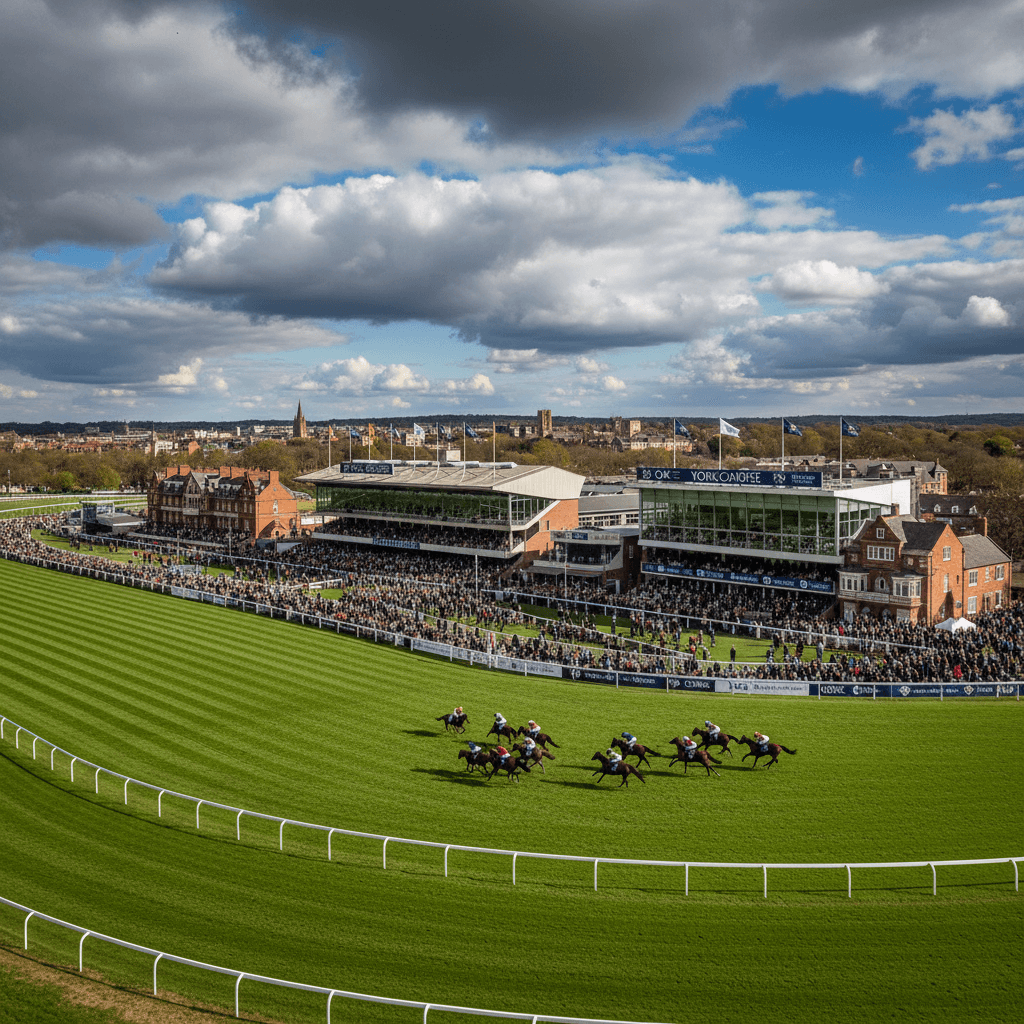
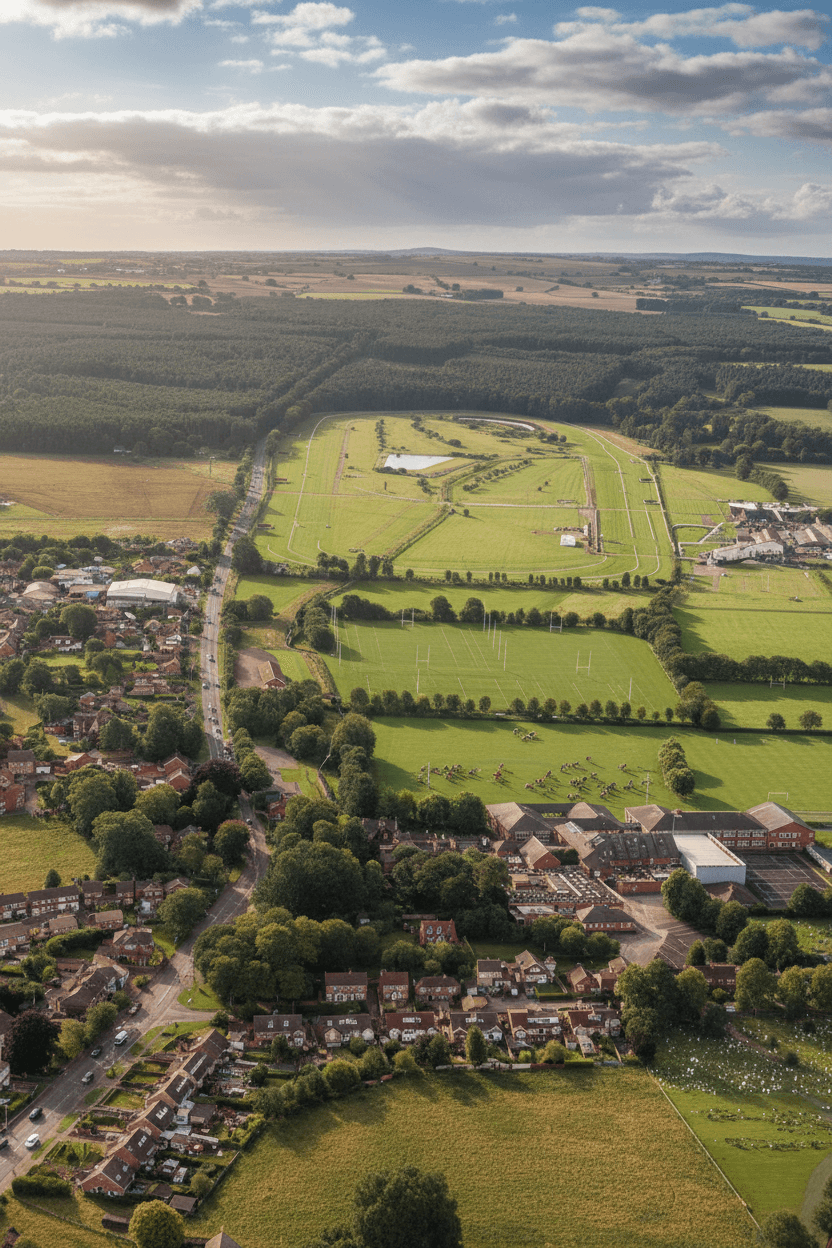
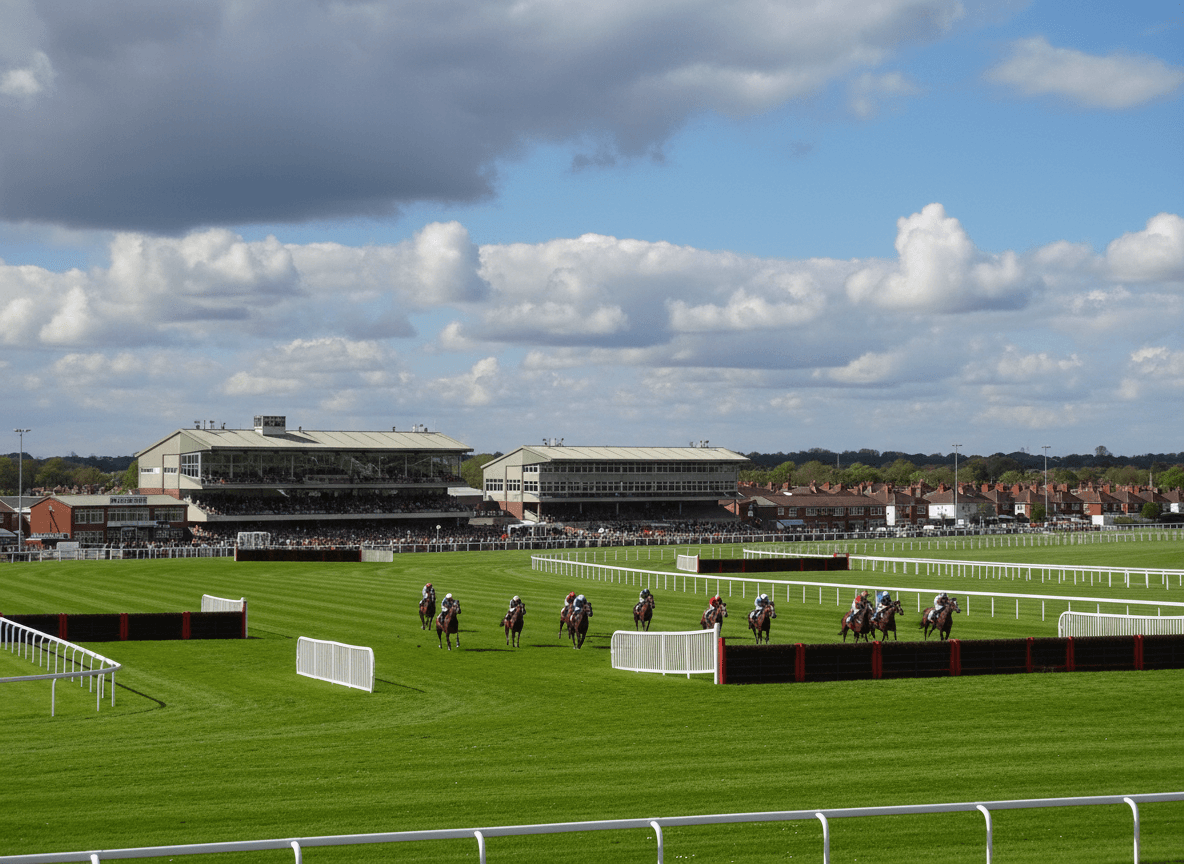
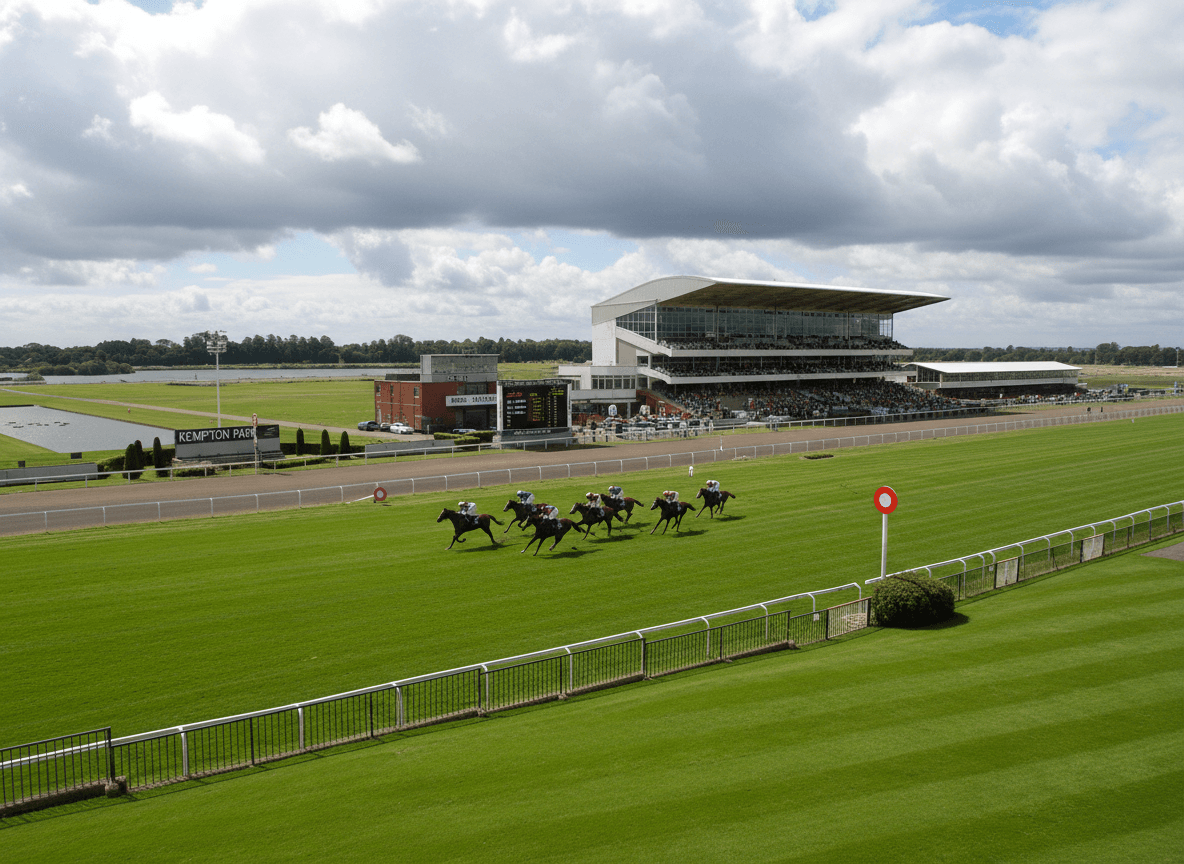
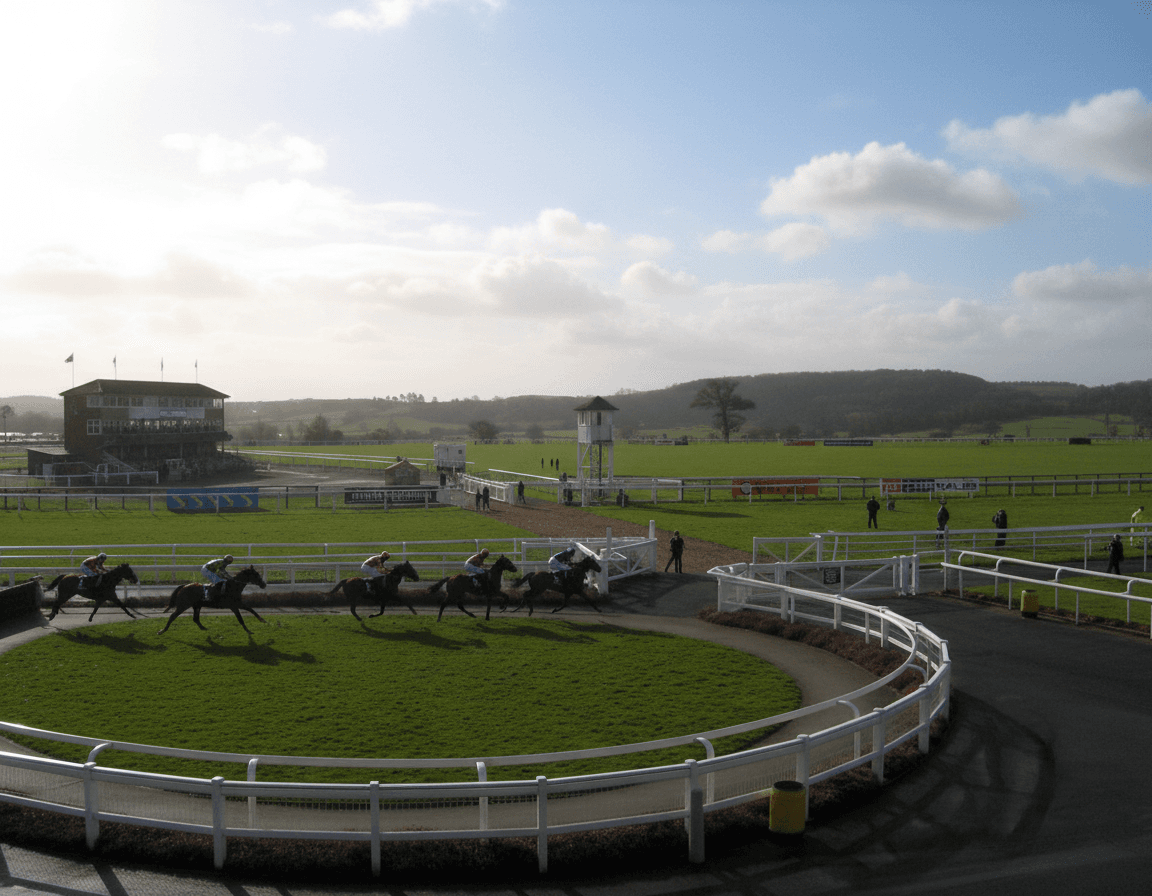
Opened in 1897 and set beside the slow curve of the River Thames in Berkshire, Windsor is one of only two figure-of-eight tracks in the United Kingdom. That distinction alone would earn it a place in the curious corners of racing geography, but Windsor is far more than a novelty. It is a proper, galloping flat track — left-handed, predominantly level — that has been testing horses and sharpening jockeys for well over a century. The crossing point where the track intersects itself remains one of the more visually arresting moments in an afternoon or evening at the races: a reminder, if one were needed, that this sport has always had a taste for the theatrical.
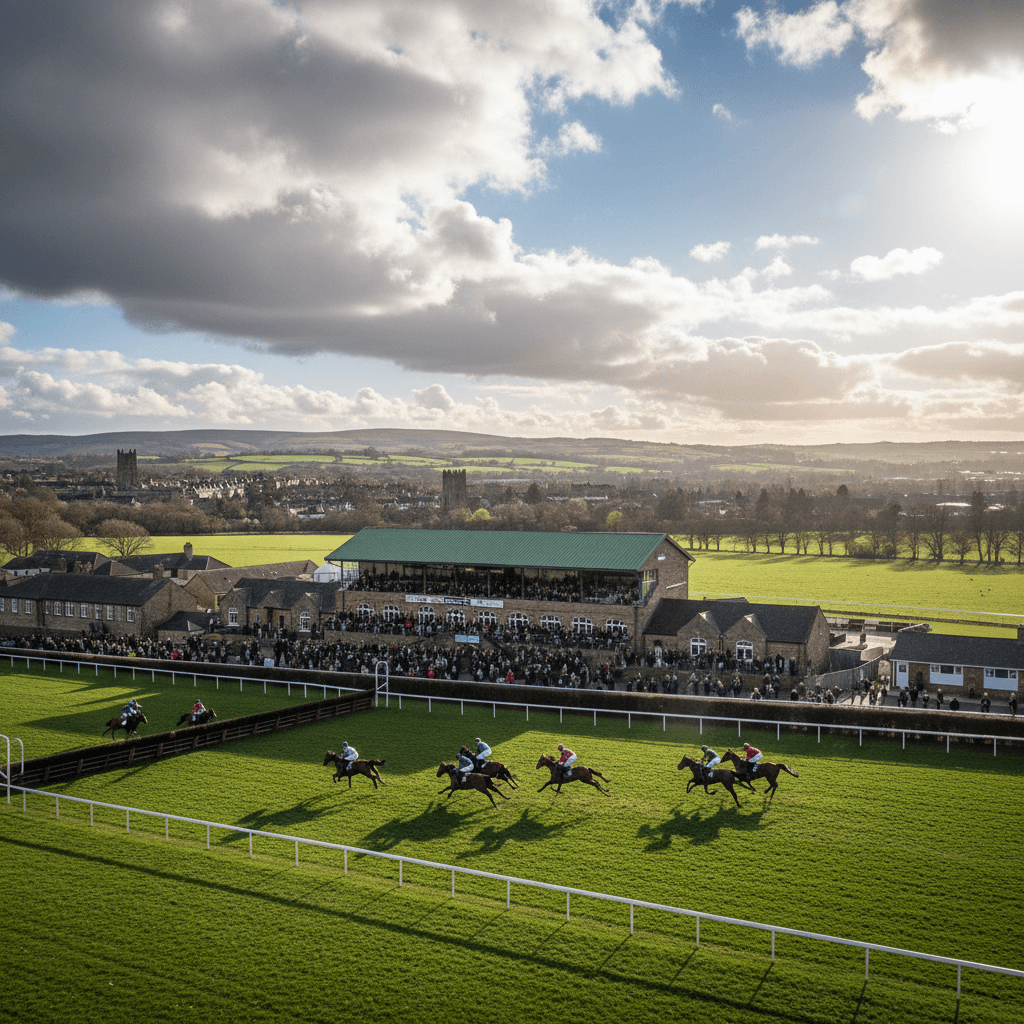
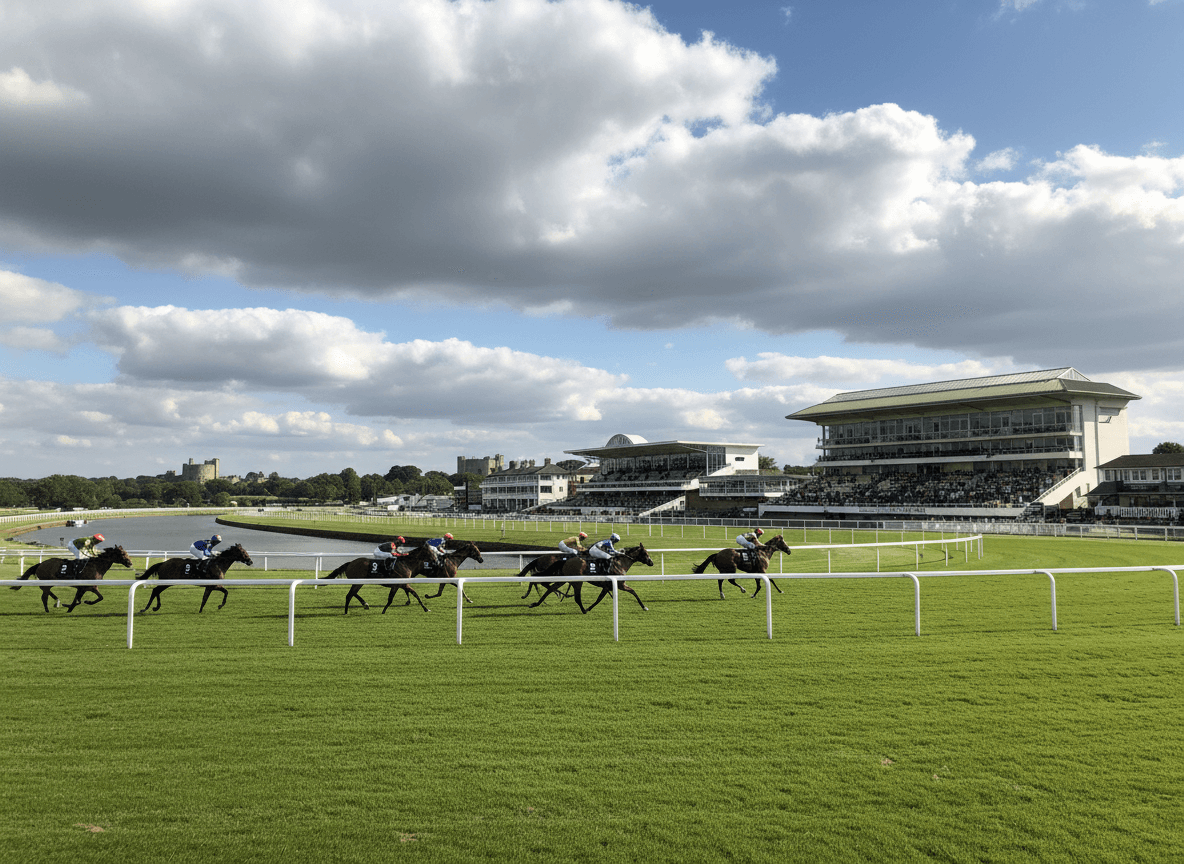
The summer evening fixtures here have become something of an institution. Monday nights, in particular, carry an almost legendary quality among the sport's faithful — long shadows across the straight, the Thames glinting beyond the rails, crowds that arrive as much for the occasion as the card. This week, Windsor offers two such evenings: Tuesday, 15 September and Friday, 18 September, both on standard ground. September racing at Windsor carries a different mood to the high-summer bustle — a touch more considered, the evenings beginning to shorten — but the quality of racing rarely suffers for it.
The Week's Fixtures at a Glance
Both cards this week are eight-race evening programmes run on standard going, which at Windsor tends to ride as a genuine, fair surface — quick enough to flatter a horse with a turn of foot, but with enough give in the ground to keep it honest. Standard at Windsor is not the lightning-fast artificial surface you encounter at some of the all-weather tracks; it rewards horses that travel fluently and finish their races out.
The Tuesday, 15 September racecard opens the week, and with eight races to work through, there will be plenty of opportunity to get a feel for how the track is riding before the later races. Evening cards at Windsor tend to build nicely — the early races often feature the more open, competitive handicaps, while the later slots can throw up the odd informative maiden or conditions race worth filing away for future reference.
The Friday, 18 September racecard closes the week, and Friday evenings at Windsor have their own particular charm. The crowd tends to be a little more relaxed, the atmosphere a touch more festive heading into the weekend. From a betting perspective, Friday cards can occasionally be underanalysed — the public's attention drifting toward the weekend's bigger meetings — which sometimes creates value for those willing to do the homework.
Understanding the Track: What the Figure-of-Eight Means in Practice
The figure-of-eight layout is not merely a curiosity — it has real, practical consequences for how races are run and won at Windsor. The configuration means that horses racing over longer distances will navigate both a left-hand and a right-hand bend within the same race, a feature that places a premium on adaptability and balance. A horse that is markedly one-sided — that drifts badly under pressure or struggles to change its lead — can find Windsor a more demanding assignment than its form might suggest.
The run-in at Windsor is testing. There is a genuine, sustained climb to the line that catches out horses whose stamina is in any way questionable, and it rewards those who are ridden with a degree of patience. Jockeys who commit too early — who hit the front a furlong and a half out and invite a challenge — will often find their mount caught in the final strides. The best Windsor winners tend to be produced late, with something in reserve.
Draw Considerations
Draw bias at Windsor is distance-dependent and worth understanding clearly before committing to a selection. Over the shorter distances — five and six furlongs — a low draw is generally advantageous, allowing horses to settle into a good early position without expending energy crossing the track. As the distances extend toward a mile and beyond, the bias becomes less pronounced, though horses drawn in the middle to low range still tend to find cleaner passages through the field. On a full field evening card, it is always worth checking where the fancied runners are drawn before finalising your view.
Pace Scenarios
Windsor rewards horses that race prominently without necessarily leading. The track's configuration, combined with the testing finish, means that front-runners can get first run but often get caught, while horses buried at the back of the field can find it difficult to make up ground through a compressed field. The sweet spot, more often than not, is tracking the pace from second or third, travelling within yourself, and producing a sustained effort from two furlongs out. Keep an eye on the pace maps for each race — a false-run race on this track can produce a misleading result that distorts future assessments.
The Type of Horse That Thrives at Windsor
Windsor, perhaps more than any other track on the flat calendar, rewards the well-balanced, versatile horse. The figure-of-eight layout punishes those with strong directional preferences, and the testing finish means that genuine stayers — or at least horses with a high cruising speed and the ability to sustain it — tend to outperform those who rely on a single, sharp burst of acceleration.
Horses with a clean action on a sound surface will find standard going at Windsor very much to their liking. Conversely, those who need a bit of cut in the ground to show their best form may find conditions slightly quicker than ideal in September, even on a standard surface.
Jockey experience at the track is a meaningful factor. The figure-of-eight layout, with its unusual crossing point and the demands it places on positional awareness, tends to suit jockeys who know the course well. It is always worth checking the rider's record at Windsor before dismissing or endorsing a selection on form alone.
Practical Tips for Racegoers and Punters
- Arrive early. Windsor's evening cards fill up, and a good viewing position — particularly near the final furlong — is worth securing before the first race. The track's layout means that some vantage points offer better sightlines than others.
- Watch the early races closely. Standard going can vary in how it rides depending on recent weather. The first two or three races of the evening will tell you a great deal about whether the surface is playing to type.
- Respect the draw in sprint races. Low numbers in five and six-furlong fields are not a guarantee, but they are a meaningful edge worth factoring into your assessments.
- Be patient with your selections. Windsor's testing finish means that horses who look beaten turning in will sometimes find more than you expect. Equally, those who hit the front early can get caught. Resist the urge to react too quickly.
- Check trainer and jockey course records. A handful of stables and riders have particularly strong affinity with Windsor. These patterns are worth tracking across the season.
A Final Word
There is something quietly irreplaceable about Windsor on an autumn evening. The summer crowds have thinned a little, the light has changed, and the racing — freed from the pressure of the summer's marquee meetings — can feel more honest, more intimate. Two cards this week, sixteen races in total, on standard ground that should produce fair, revealing form.
Whether you are attending in person or watching from home with the form book open beside you, Windsor rewards the attentive. Study the draw, respect the finish, and look for the horse that travels well within itself. The course will do the rest. Full racecards and analysis are available for both the Tuesday evening fixture and the Friday evening fixture — and everything you need to know about the track itself can be found on our Windsor course page.