The Knavesmire: Where Racing Finds Its Better Self
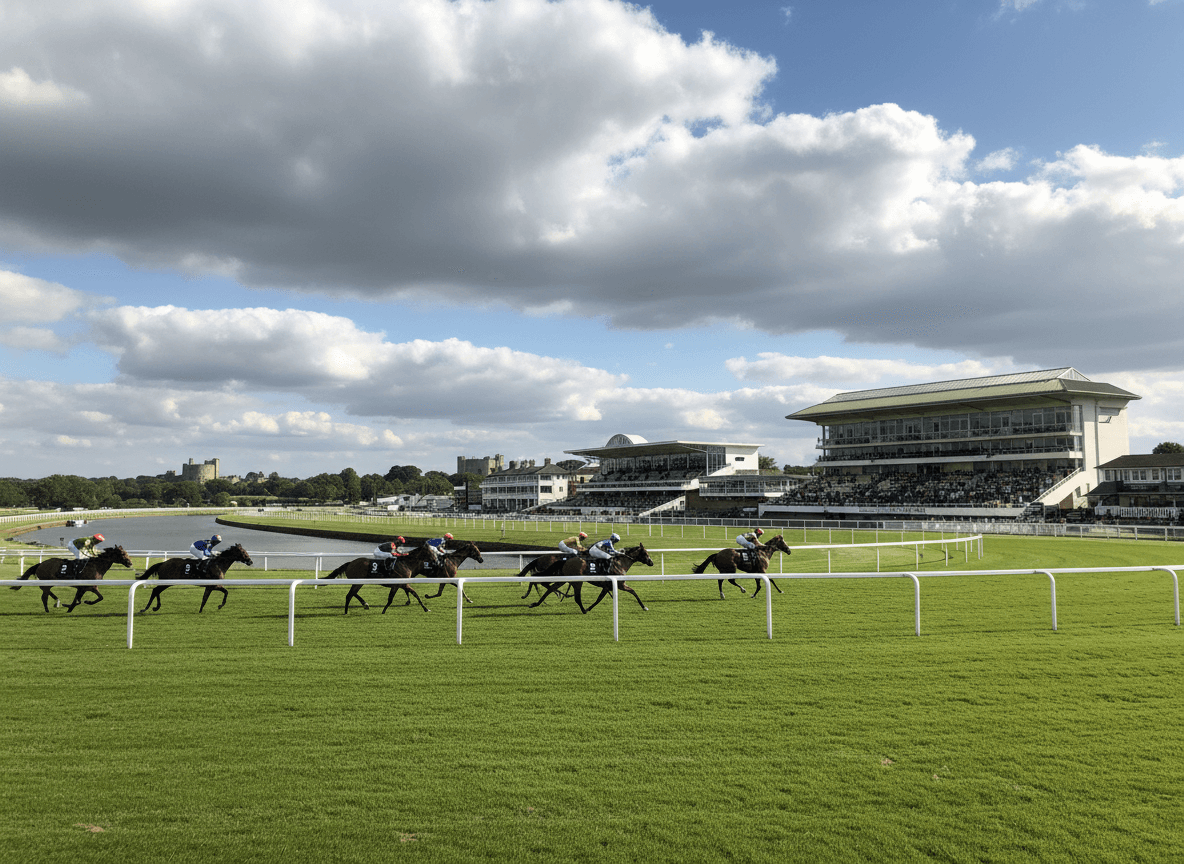
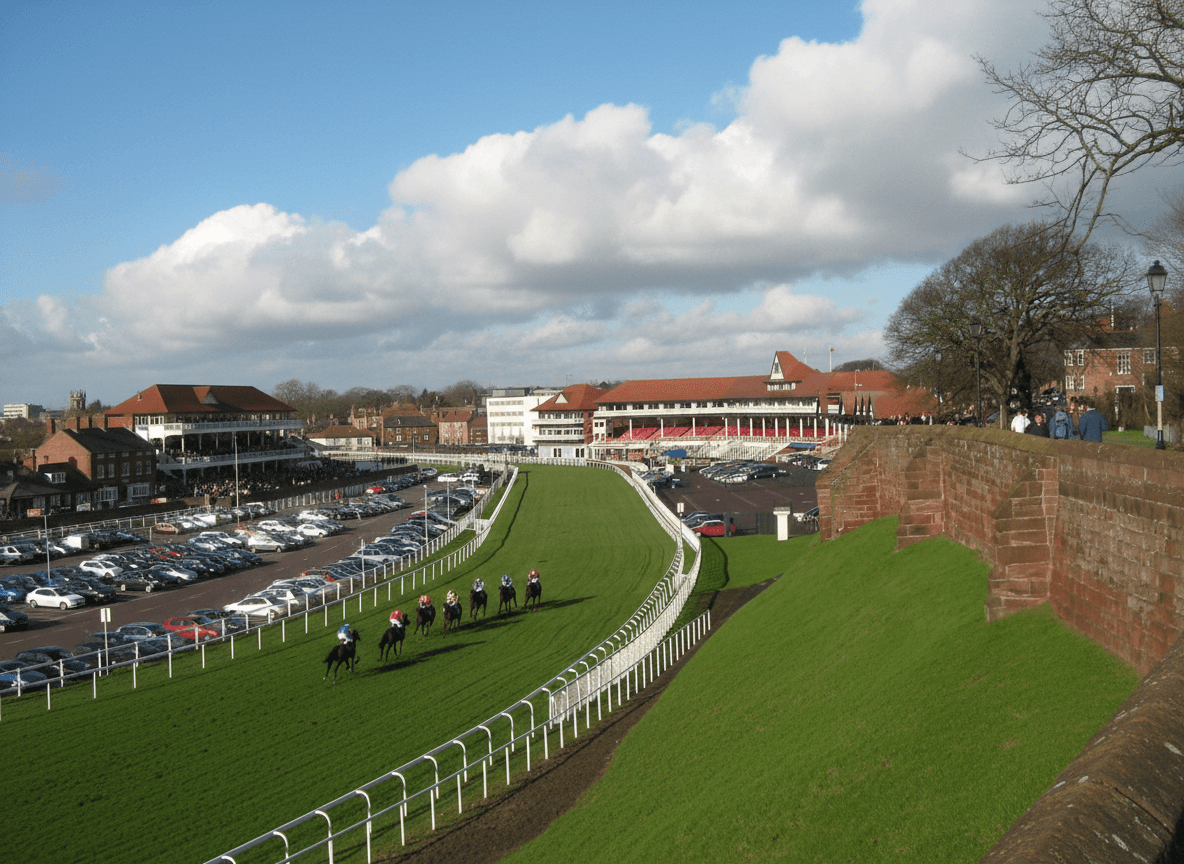
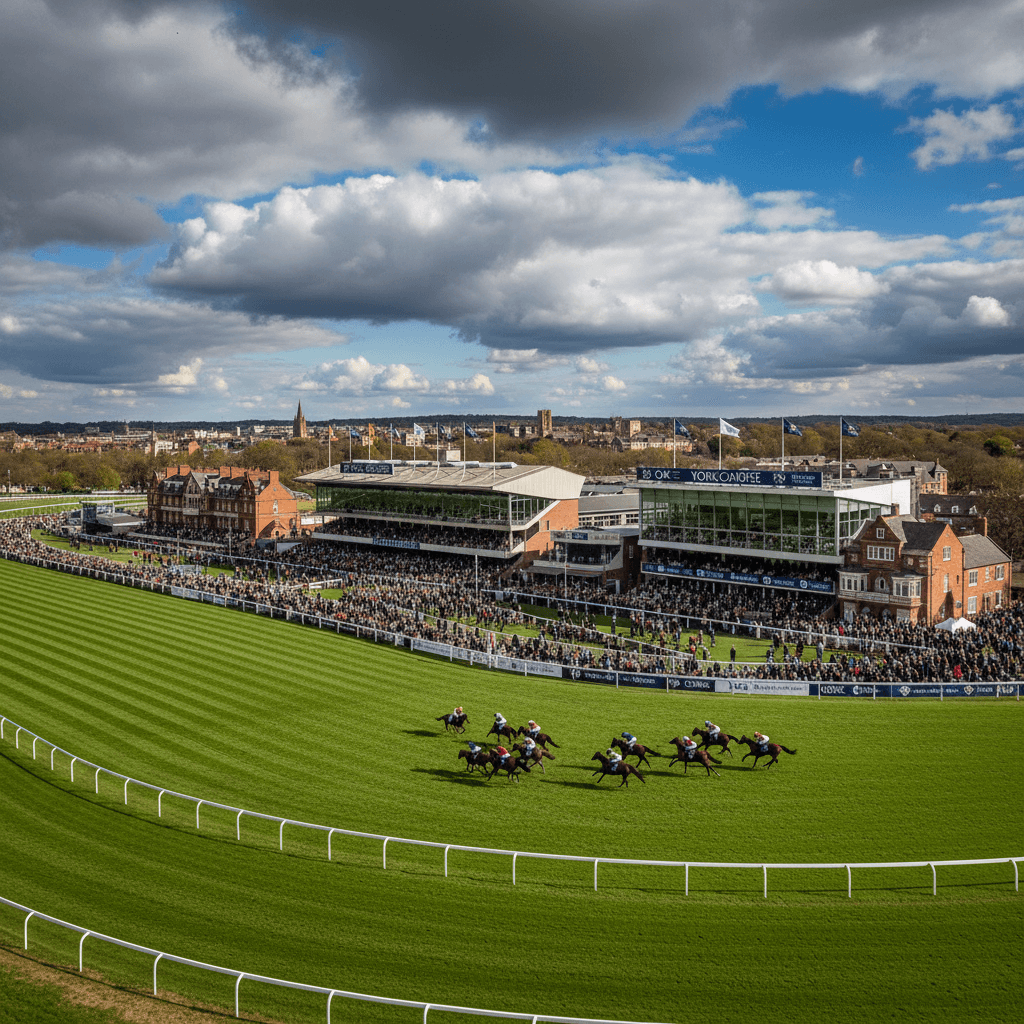
There are racecourses you visit, and then there are racecourses that stay with you. York belongs firmly in the second category. Set against the ancient skyline of one of England's most beautiful cities, the Knavesmire has been drawing crowds since the 1730s, though the ground beneath those hooves carries the echo of something far older — Roman roads, medieval common land, and centuries of human endeavour folded into a single, sweeping oval. To stand on the rails at York on a good afternoon is to feel the weight of all that history, and somehow, rather than pressing down on you, it lifts you.
What separates York from so many of its peers is an almost rare combination: genuine sporting integrity and genuine beauty. The track is wide, galloping, and fair. The facilities are exceptional. The racing, particularly at the higher levels, attracts the very best horses in training. And through it all, the course maintains a commitment to the welfare and presentation of its equine participants that is quietly admirable. York is, in many respects, the standard against which other flat tracks should measure themselves.
This week, we return to the Knavesmire for three afternoons of racing across Tuesday, Wednesday, and Thursday — a mid-September fixture that carries its own particular charm, the summer crowds thinning, the light changing, the season beginning its long, golden turn.
This Week's Fixtures: What to Expect
Racing takes place across all three afternoons, with seven races scheduled on each card. The Tuesday, 15 September, Wednesday, 16 September, and Thursday, 17 September meetings all share the same going description: Soft, Good to Soft in places, with soil moisture sitting at 49 and the whole course having been vertidrained ahead of the week.
That vertidraining is worth noting. York's groundskeeping team take their responsibilities seriously, and the decision to vertidrain the entire course reflects a proactive approach to managing what is clearly a saturated surface. Vertidraining — a process of aerating the ground with deep, narrow tines — helps water drain more freely through the soil profile, reducing the risk of surface waterlogging while preserving the cushion underfoot. At 49% soil moisture, the ground is holding plenty of water, and while the going is raceable and safe, it will be testing. Horses will need to work for every yard.
For racegoers, September at York carries a different energy to the festival months. The grandstands breathe a little more easily, queues are shorter, and there is something wonderfully intimate about a mid-season fixture at a great course — the sense that those who are here really want to be here. Afternoon racing means gates will open mid-morning, and with the first races typically scheduled around 1:30–2:00pm, there is time to settle in, study the form, and absorb the surroundings before the serious business begins.
Understanding the Track: Shape, Draw, and Pace
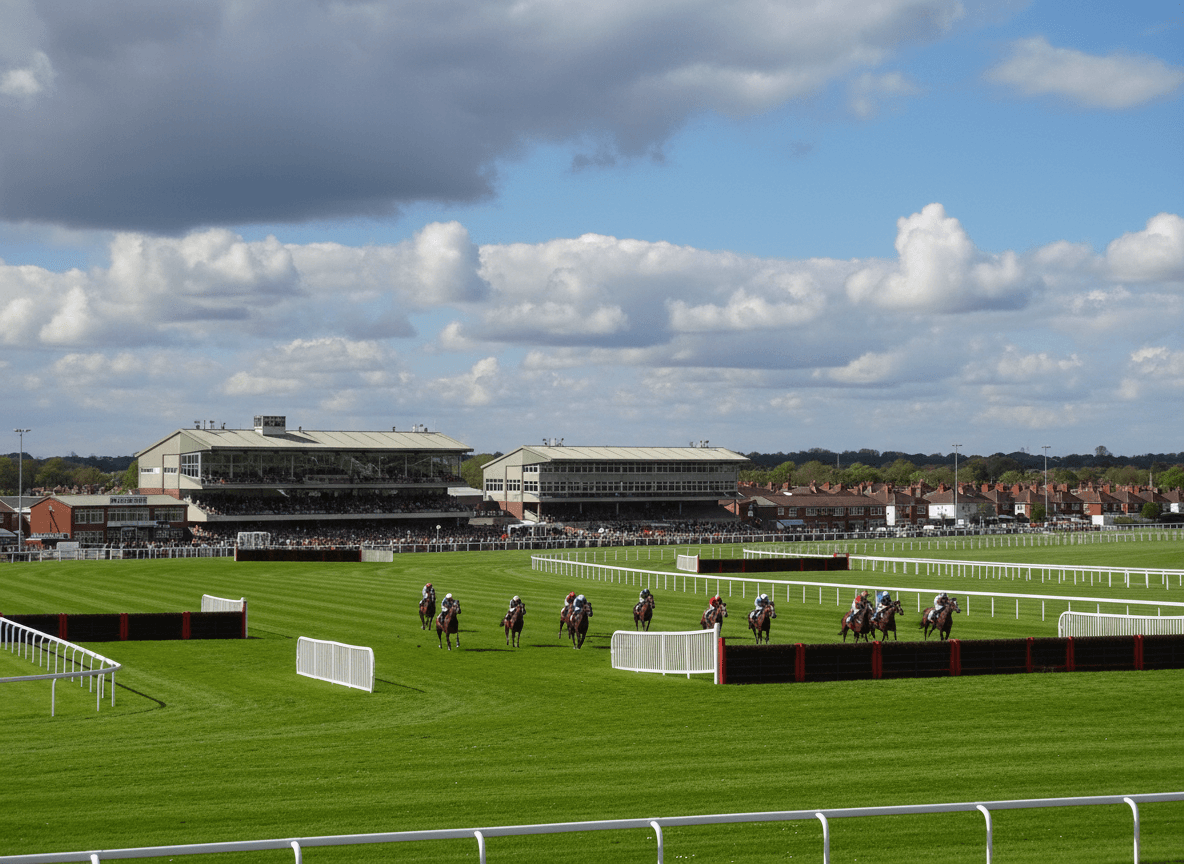
York's left-handed circuit is essentially a wide, sweeping oval, and its most distinctive feature — aside from that magnificent straight — is the sheer amount of room it gives horses to race. The track is broad enough that field-wide scrimmaging is rare, and horses that need clean air and unimpeded runs tend to get them here more consistently than almost anywhere else on the flat calendar.
The straight course, used for sprint races, runs for just over five furlongs and is particularly worth understanding in the context of this week's going. On soft ground at York, the draw becomes a meaningful factor in sprint races. Historically, higher stall numbers — those drawn towards the stands side — have held an advantage in testing conditions on the straight course, as the ground on that flank can ride marginally better. It is never a hard and fast rule, and the vertidraining may have evened things out somewhat, but it is worth checking draw statistics carefully before committing to a sprint selection this week.
On the round course, the longer distances tend to iron out draw biases to a greater extent, though horses racing prominently — or at least within striking distance of the pace — tend to fare better than those consigned to the rear. York's long run-in rewards horses that travel smoothly through a race and pick up strongly in the final two furlongs; it is less kind to those that need to make up significant ground from the back of the field, particularly when the going is soft and every stride costs more energy.
Pace and Stamina on Soft Ground
With the ground described as Soft, Good to Soft in places, expect pace scenarios to shift meaningfully compared to a good or fast surface. Races will tend to be run at a more honest, even gallop rather than the blistering early fractions that a quick Knavesmire can produce. This generally plays into the hands of stayers and thorough stayers — horses bred to get a trip and relentless in their galloping action — rather than those who rely on explosive, top-end pace. Horses with a high cruising speed but limited resolution when the ground gets testing can be found out at York in these conditions.
What Type of Horse Thrives at York?
The Knavesmire has always rewarded a particular kind of athlete: the big, scopey, galloping type who eats up ground with a long, low stride rather than a short, choppy action. On soft ground this week, that profile becomes even more pronounced. Look for horses with:
- A proven record on soft or heavy ground — past form in similar conditions is the single most reliable indicator this week.
- A staying pedigree or stamina influence — even over shorter trips, soft ground effectively adds distance to a race, and horses bred to get a mile and a half will often find an extra gear when others are struggling.
- Trainers known for having their horses fit and forward — soft ground punishes horses that are not fully wound up. The yards that bring horses to York in peak condition will have a meaningful edge.
- Horses that have raced recently — race fitness matters enormously when conditions are testing. A horse returning from a long break faces a stiff ask on this kind of ground.
It is also worth keeping a close eye on horses trained locally or in the north of England, who will have had the opportunity to work on similar ground in preparation. Northern trainers know this track intimately, and their runners at this time of year deserve particular respect.
Practical Tips for Racegoers and Punters
Whether you are heading to the Knavesmire in person or watching from home with a racecard in hand, a few practical thoughts for the week ahead:
- Check the going updates on the morning of each race day. With soil moisture already high, any overnight rain could push conditions further towards heavy, which would alter the complexion of several races significantly.
- Study draw statistics for sprint races carefully, particularly on the straight course. The Paddock Punter course page for York carries historical draw data that is worth consulting before you settle on your selections.
- Be selective with short-priced favourites. Soft ground is a great leveller, and the form book can be scrambled when conditions move away from what horses have been running on. Value can emerge in unexpected places.
- If attending in person, bring layers. September in North Yorkshire can be glorious, but with soft ground underfoot and the season turning, it can also be brisk. Comfortable footwear is non-negotiable — the Knavesmire's famous open spaces are best enjoyed when your feet are dry.
A Week Worth Savouring
There is something quietly precious about mid-September racing at York. The great festivals are behind us, the winter codes are not yet upon us, and for three afternoons this week the Knavesmire offers something unhurried and genuine — good horses, honest ground, and a course that has been doing this longer than almost any of us can properly imagine. The soft going will ask searching questions of every runner, and the answers will be illuminating.
Check the full cards for Tuesday, Wednesday, and Thursday as they are published, and take the time to look beyond the headline names — on testing ground at a fair track, the races tend to find the horses that deserve to win them. That, in the end, is what makes York so enduringly worth watching.