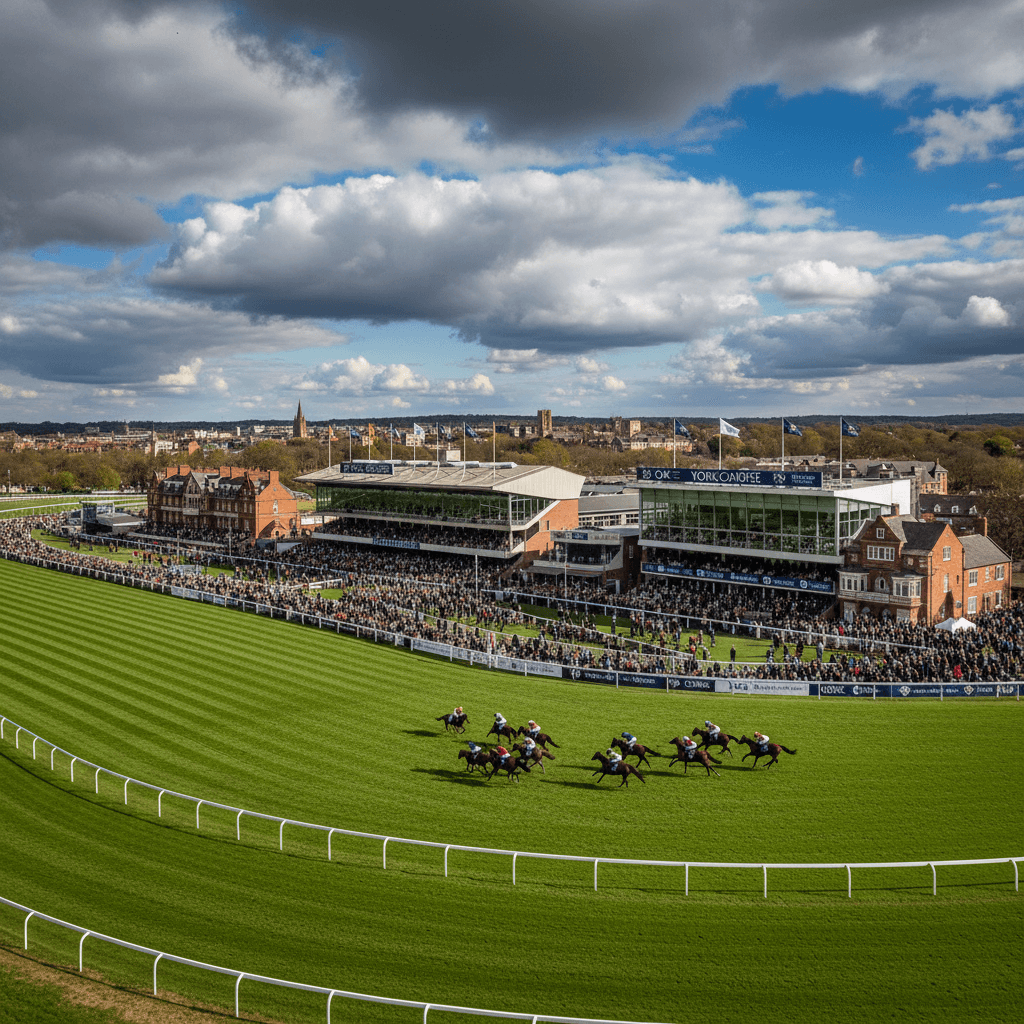
There's Nowhere Quite Like the Knavesmire
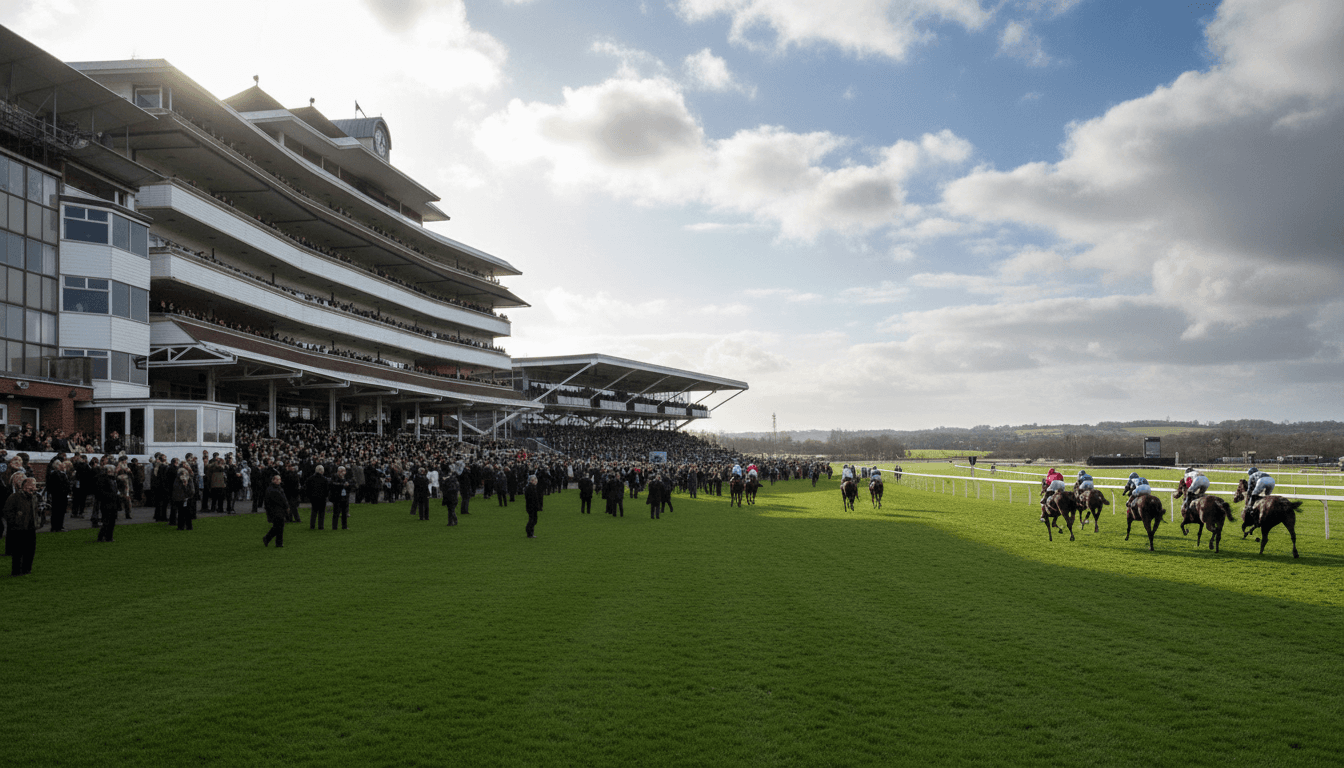
My grandfather used to say that if you only ever went to one racecourse in your life, it should be York. He wasn't a man who dealt in hyperbole — he once described a family holiday in Tenerife as 'adequate' — so when he said something like that, you listened. I was about ten years old the first time he took me to the Knavesmire, and I remember standing in the grandstand watching the horses canter down to the start, the city's famous towers shimmering in the August heat behind the far rail, and thinking: yes, this is what racing is supposed to look like.
Decades later, nothing much has changed. York Racecourse remains one of the most breathtaking sporting venues in the country — a wide, sweeping, left-handed track with a racing history that stretches back to Roman times and was formally established in the 1730s. It has hosted kings, legends, and more than a few losing favourites that still haunt me. But that's racing, and that's York. You can find out everything about the track on our dedicated York course page.
This week, the Knavesmire is at its very best. The Ebor Festival is here — four days of top-class flat racing from Wednesday through to Saturday — and if you haven't already circled it in your diary, consider this your official nudge.
The Week's Fixtures at a Glance
All four days follow the same afternoon format, with seven races each day on the flat. Here's your quick-reference guide:
- Wednesday, 19 August 2026 — 7 races, afternoon
- Thursday, 20 August 2026 — 7 races, afternoon
- Friday, 21 August 2026 — 7 races, afternoon
- Saturday, 22 August 2026 — 7 races, afternoon
The going is currently described as Good to Firm, Good in Places across the whole course, with a Moisture Meter reading of 32%. The groundstaff have terra spiked the entire track since the last meeting, which helps with aeration and moisture retention — a sensible precaution during a dry August. In plain English: the ground is quick but not dangerously so, and conditions should remain consistent across the week barring any unexpected rainfall. For flat racing, this is about as good as it gets.
Understanding the York Track — What Every Punter Should Know
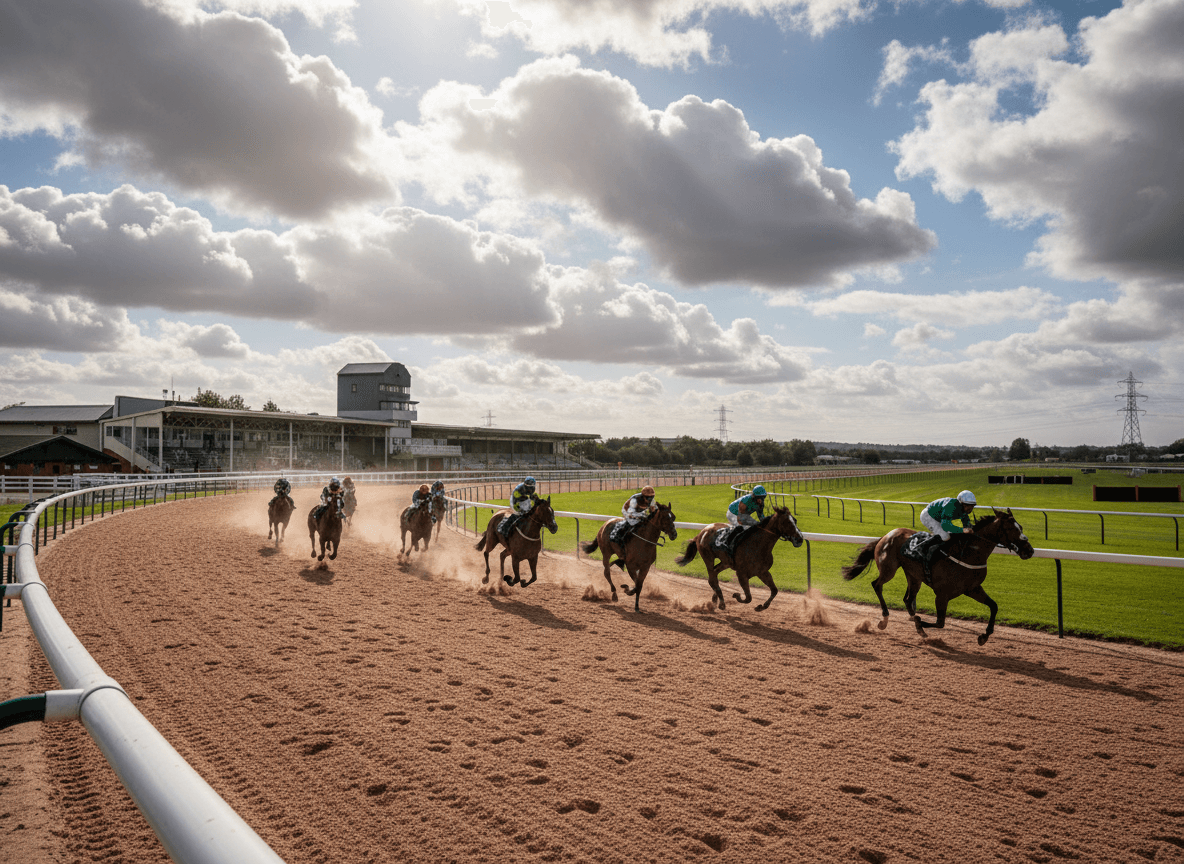
York is often described as a galloping track, and that's the most important thing to understand before you start picking your horses. The circuit is essentially a wide oval, left-handed, with a long, sweeping run-in that gives horses plenty of time to find their stride and finish. There are no sharp bends to negotiate and no tight turns to catch the unwary. This is a course that rewards athletes — horses with a long, smooth action and genuine stamina.
Draw Bias
On good to firm ground at York, the draw matters — particularly in sprint races over five and six furlongs. Horses drawn in the higher stalls (towards the stands side) have historically enjoyed an advantage in sprints, as the ground on that side of the track tends to ride slightly better during dry spells. That said, York's wide track means a poor draw is rarely a death sentence — a well-handicapped horse with a strong pace can still overcome a moderate berth. Always check the draw before you bet, but don't let it be the only factor you consider.
Pace and Running Style
Because the straight is so long and the bends so gradual, York can be deceptive. Races often look steadily run early before suddenly quickening dramatically in the final two furlongs. Horses that settle well in mid-division and have the ability to quicken off a strong gallop tend to thrive here. Pure front-runners can get caught out if they've gone too hard early, while hold-up horses who need a truly searching gallop to bring out their best can find that the race doesn't always pan out in their favour. The ideal York horse is one that travels smoothly, sits just off the pace, and has a genuine turn of foot.
What Type of Horse Does Well at York?
If you're looking for a shortcut when assessing the card, keep these profiles in mind:
- Big, scopey types — York's wide track suits horses with a long stride. Compact, nippy sprinters can still win, but the course tends to favour those who eat up the ground.
- Course and distance winners — Previous course form is always worth noting, but at York it carries particular weight. The track is unique enough that horses who have already shown they handle it are a significant asset.
- Horses who handle quick ground — With the going sitting at Good to Firm this week, you want runners whose form figures on fast ground are solid. Check the going preference column carefully.
- Well-handicapped improvers — The Ebor Festival draws competitive fields, and the handicaps in particular can be cracked by horses who are still on the upgrade. Look for those who have run well at a similar track or whose trainer has a strong Ebor Festival record.
And one gentle warning: be cautious of horses who have only ever shown their best form on soft or heavy ground. The Knavesmire in August is no place for a mudlark.
Practical Tips for Racegoers and Punters
Whether you're heading to North Yorkshire in person or watching from the sofa with a cup of tea and a betting slip, a few practical pointers go a long way at a meeting of this size.
- Arrive early if you're going in person. York is one of the most popular meetings of the flat season. The car parks fill up, the queues at the bars grow long, and the best spots on the rail disappear quickly. Give yourself time to soak it all in.
- Watch the market moves. The Ebor Festival attracts serious professional money. If a horse drifts in the market for no obvious reason, there's often a reason. Equally, a horse that firms up significantly from its morning price is worth a second look.
- Don't ignore the smaller races. Yes, the Group races are the glamour events — but some of the most profitable betting at York comes in the competitive handicaps, where the layers can be caught off guard by a well-prepared improver.
- Check the Saturday racecard early. Saturday tends to carry the biggest fields and the most competitive races of the week. Having your homework done before the morning shows on the television is never a bad idea.
- Back each-way in big fields. York's long run-in means placed horses often run on strongly. In handicaps with twelve or more runners, each-way betting at a quarter the odds for the first four places can be a very sensible approach.
A Final Word on Why York Matters
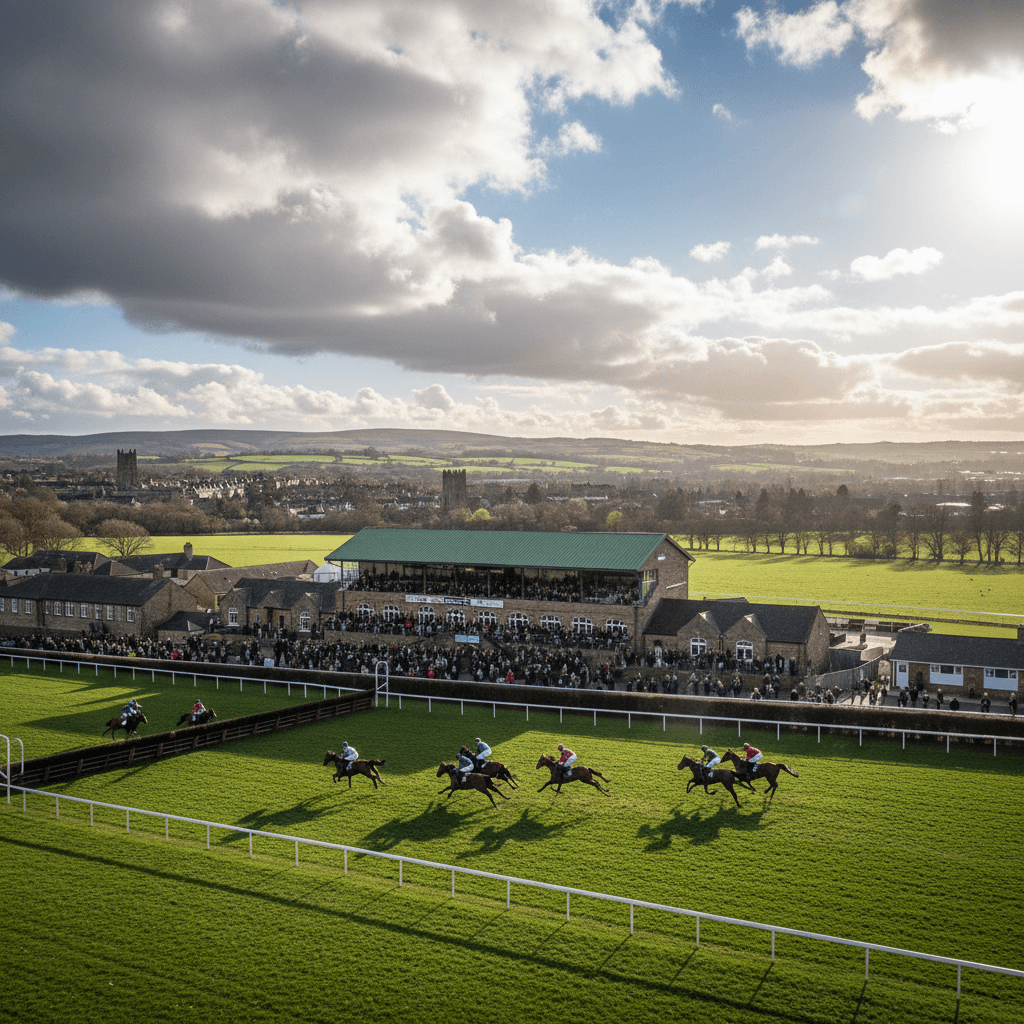
There are grander racecourses in terms of prestige, and there are tracks where the prize money reaches dizzying heights. But for the everyday racing fan — for the punter who loves the sport for what it is, not just what it pays — York during Ebor week is something close to perfect. The atmosphere is electric without being intimidating. The racing is as good as you'll see anywhere in the country. And the setting, with the ancient city as a backdrop and the wide green expanse of the Knavesmire stretching out before you, is simply beautiful.
My grandfather was right. He usually was, about racing at least. Get yourself to the York racecourse page, pull up the Wednesday racecard to get started, and enjoy every single race. The Knavesmire is waiting.