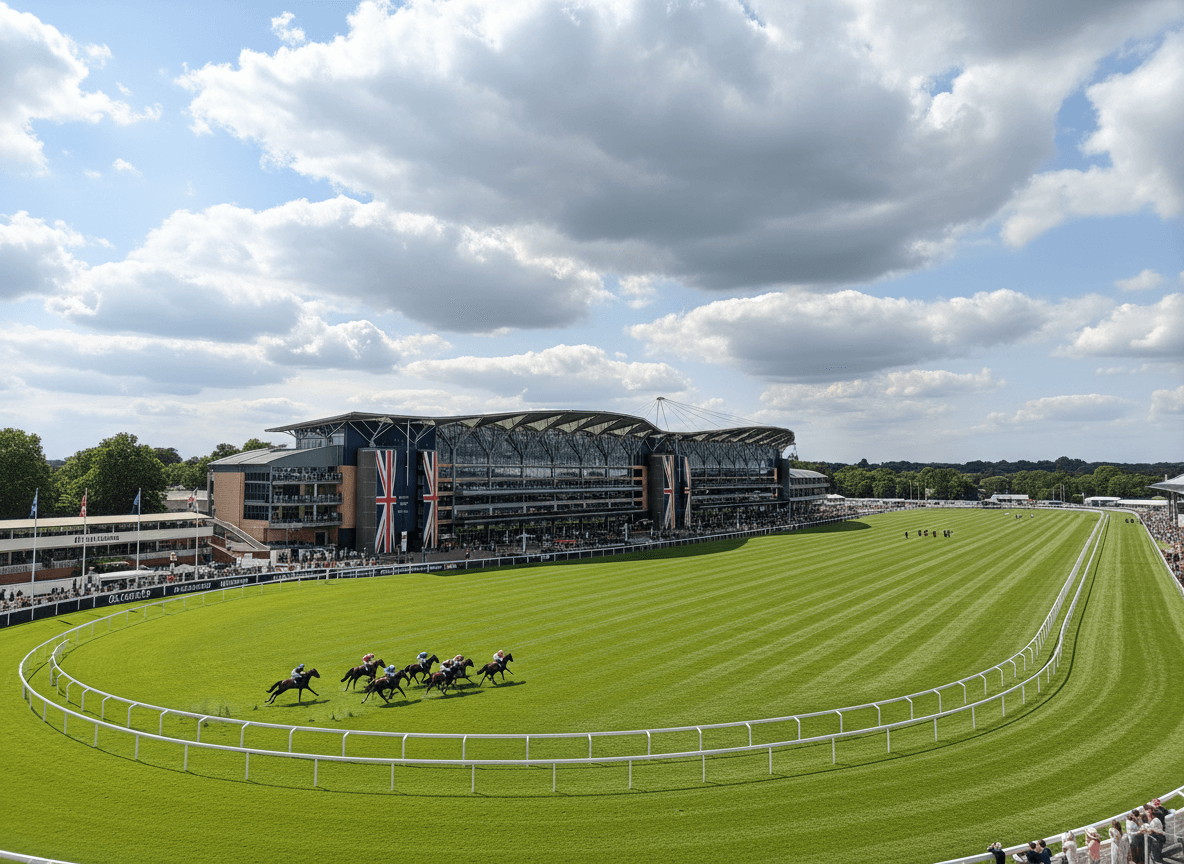
The Wokingham Stakes: Royal Ascot's Sprint Lottery
If you've ever stood in the Ascot enclosure on a Saturday afternoon with the sun on your back and 28 sprinters loading into the stalls, you'll know there's nothing quite like the Wokingham. It's chaotic, it's exhilarating, and — done right — it's one of the most rewarding handicaps of the Flat season to get on the right side of. The 2026 renewal looks as competitive as any in recent memory, with a full field of 28 declared, a prize pot of £175,000, and going that will suit the quickest horses on paper.
This is the closer on the final day of Royal Ascot week. Punters are tired, their wallets are battered, and the bookmakers know it. That's precisely why a calm, methodical approach pays dividends here. Let's cut through the noise.
Going & Draw: The Numbers You Can't Ignore
The goingstick reading of 9 on the stands side tells you everything. Good to Firm. Fast. Unforgiving of horses that need a cut in the ground. In these conditions, you want a horse that travels fluently, doesn't need to be covered up for too long, and — critically — comes from the right part of the track.
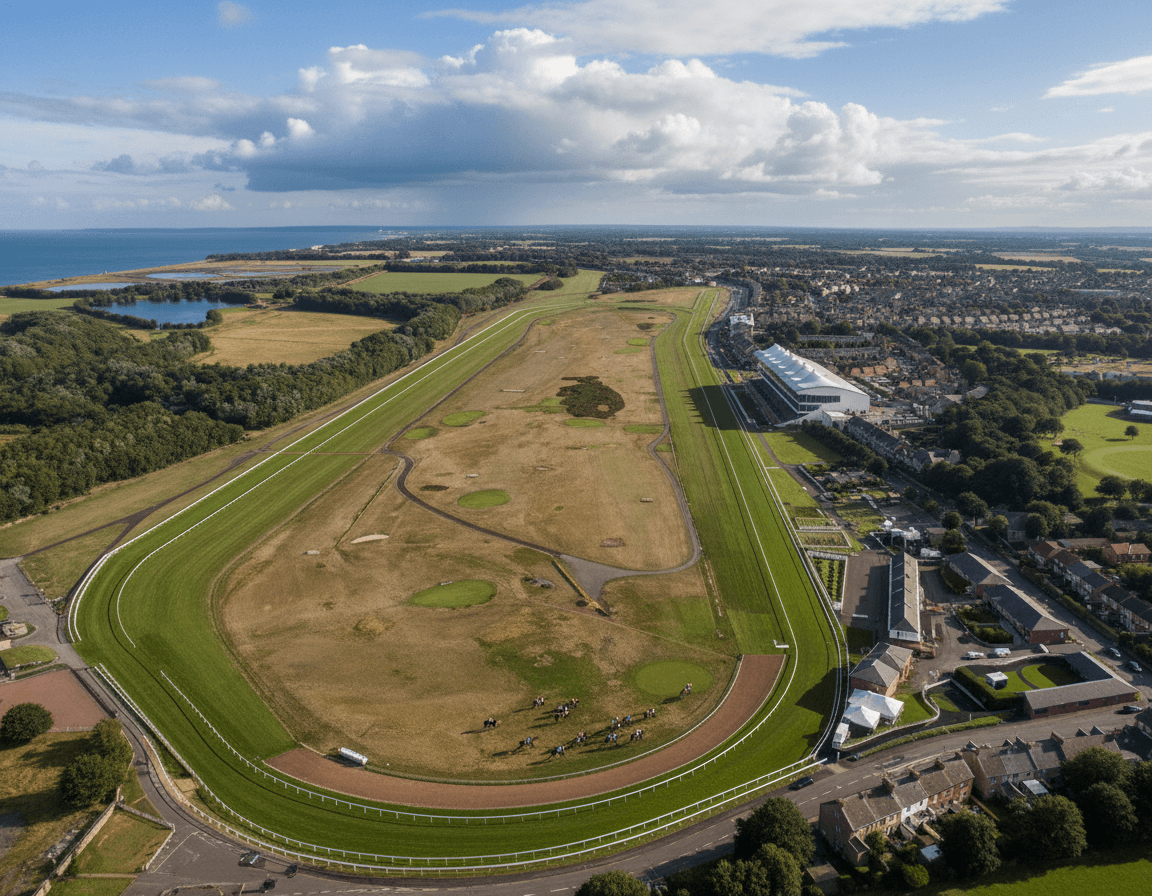
At Ascot over six furlongs in a big field on quick ground, the stands-side draw is king. The stands rail provides a genuine advantage as the field splits, and those racing prominently on that side consistently outperform their far-side counterparts when the going is this quick. With 28 runners, a split field is almost guaranteed. Horses drawn in the low teens through to the high twenties and thirties — effectively the stands-side group — are where I'll be concentrating my analysis.
Stalls positions to note: Spy Chief (30), Apollo One (31), Evening Saigon (29), Mitbaahy (27), Flash Harry (26) — all firmly stands side. Conversely, runners drawn 1-7 (Fandom, Sondad, Royal Zabeel, Two Tribes, Leovanni, Hammer The Hammer, Toyotomi) will likely find themselves on the far side and facing an uphill battle unless they absolutely bolt up.
The Main Contenders
Spy Chief (Draw: 30 | Rating: 108 | William Buick)
Top weight and top billing. The John & Thady Gosden four-year-old carries 9-12 from stall 30 — an ideal stands-side berth — and has William Buick in the saddle, which is never a bad starting point. A proven distance winner, Spy Chief has the profile of a horse the Gosden yard target at this race: progressive, well-handicapped last season, and likely to have been trained with this specific date in mind. At 108, he's the highest-rated runner in the field and conceding lumps of weight to most rivals. That's the question mark. But on fast ground with a clean draw and a top jockey, he's the one they'll all have to beat. Don't dismiss him on weight alone.
Mitbaahy (Draw: 27 | Rating: 104 | Billy Loughnane)
Charles Hills sends out this seven-year-old veteran with the tongue tie applied and a stands-side draw to exploit. Mitbaahy is a proven six-furlong horse who knows his job inside out. At this level, experience counts. Billy Loughnane has been in terrific form and rides with real confidence on quick ground. Hills doesn't run horses like this at Royal Ascot for the fun of it — there'll be intent here. At 104 and carrying 9-8, he gets in relatively lightly compared to the top two. Each-way claims are strong.
Double Rush (Draw: 24 | Rating: 105 | Shane Foley)
Andrew Balding's four-year-old colt arrives as a distance winner with a decent draw in stall 24 — comfortably stands side. Shane Foley is a shrewd booking; he's a jockey who reads a race rather than simply riding one. Double Rush at 105 is well-placed in the weights and Balding has a habit of producing horses fit and fresh for Ascot's big handicaps. The colt profile is a slight concern in a race that geldings tend to dominate, but the form and conditions stack up. One of my shortlisted each-way picks.
Binhareer (Draw: 22 | Rating: 104 | Tom Marquand)
William Haggas runs two in this race — Binhareer and Realign — and it's the former that interests me most. Stall 22 puts him firmly in the stands-side group, he's a proven distance winner, and Haggas is meticulous about getting horses to peak on the right day. Tom Marquand is an underrated big-race jockey who tends to be ice-cool in cavalry charges like this. At 104, Binhareer has a realistic chance of winning if the pace is honest, which in a 28-runner sprint it almost certainly will be.
Run Boy Run (Draw: 16 | Rating: 105 | George Wood)
Richard Spencer saddles two runners and Run Boy Run, fitted with a visor, is the more interesting of the pair from stall 16. That draw sits right in the middle of the stands-side group — not ideal but workable. George Wood is a capable handler of big-field sprints and the visor suggests Spencer wants him switched on from the off. A distance winner at this level, he's capable of running into the places at a price.
Two Tribes (Draw: 5 | Rating: 103 | David Egan)
Here's the dilemma. Two Tribes is a course and distance winner — that's a rare and valuable form flag in the Wokingham. He knows Ascot, he knows six furlongs, and David Egan is a quality rider. The problem? Stall 5. In a race where the stands side is where you want to be, Two Tribes will almost certainly end up on the far side, racing against a smaller group. Course form is tempting, but the draw is a significant negative. He'd be higher on my list from a different gate.
Value Picks & Dangers
The most interesting each-way proposition at a bigger price could be Apollo One (Draw: 31). The eight-year-old trained by Charalambous & Clutterbuck is a course and distance winner, gets in on 9-1 in the weights, and Christophe Soumillon — a rider of immense big-race experience — takes the ride. Veteran sprinters who know the track can cause upsets in these fields, and the wide draw is a gift. At what should be a decent price, he's worth a small each-way interest.
Soldier's Tree (Draw: 14) with Silvestre De Sousa is another that sits in a decent enough draw position. James Owen trains a dual runner here, and De Sousa knows his way around a big-field sprint. At 107 he's well-rated but the weight is manageable.
Dangers to watch from the far side? Honestly, I'd swerve them unless Two Tribes' course form is too hard to ignore for you personally. In a fast-ground Wokingham, backing far-side runners is a battle against the bias.
My Selection: Mitbaahy Each-Way
My tip for the 2026 Wokingham Stakes is Mitbaahy each-way. Here's the logic in plain terms: he's a seasoned seven-year-old who has won over this trip before, he's drawn stands side in stall 27, he has a tongue tie applied suggesting the team have found a key to him, and Billy Loughnane is one of the most in-form young jockeys in the country. Charles Hills targets big handicaps with precision, and at 104 with 9-8 to carry, the weight ask is fair.
In a 28-runner cavalry charge, you want a horse that knows the job, has a stands-side draw, and is trained by someone who means business. Mitbaahy ticks every box. Spy Chief is the most likely winner if his weight doesn't anchor him, and Double Rush is my alternative each-way dart, but Mitbaahy at a likely double-figure price is where the value lies on Saturday at 17:00.
Check the full Ascot racecard for declared runners, any late market moves, and non-runner updates before you commit. Good luck — and enjoy the race.
Who Is the Favourite for the Wokingham Stakes 2026?
At the time of writing, Spy Chief is expected to head the market as the highest-rated runner in the field at 108, trained by the formidable John & Thady Gosden partnership and ridden by William Buick. He carries top weight of 9-12 but his stands-side draw (stall 30) and proven distance-winning form make him a worthy market leader. Expect him to be a relatively short price on the day, which is precisely why the each-way value lies elsewhere in the field.
Does the Draw Matter in the Wokingham Stakes?
Enormously — and this is arguably the single most important factor in a 28-runner sprint on Good to Firm ground at Ascot. The stands-side rail provides a consistent advantage in big-field six-furlong races at the track, and with the goingstick reading at 9, the bias will be pronounced. Horses drawn in stalls 14 and above are in the stands-side group and should be prioritised. Runners drawn in stalls 1-7 face a tough ask unless they're significantly superior on ability. Always check the draw before placing your Wokingham bets.
What Is the Wokingham Stakes Prize Money in 2026?
The 2026 Wokingham Stakes carries a total prize fund of £175,000, making it one of the most valuable handicap sprints of the entire Flat season. It is run as a Class 2 Heritage Handicap over six furlongs at Ascot on the final day of Royal Ascot week, and the prestige of the race — combined with the prize money — ensures trainers target it seriously months in advance. The rating band of 0-110 means a broad spread of ability, which is why draw and pace analysis are so crucial to finding the winner.