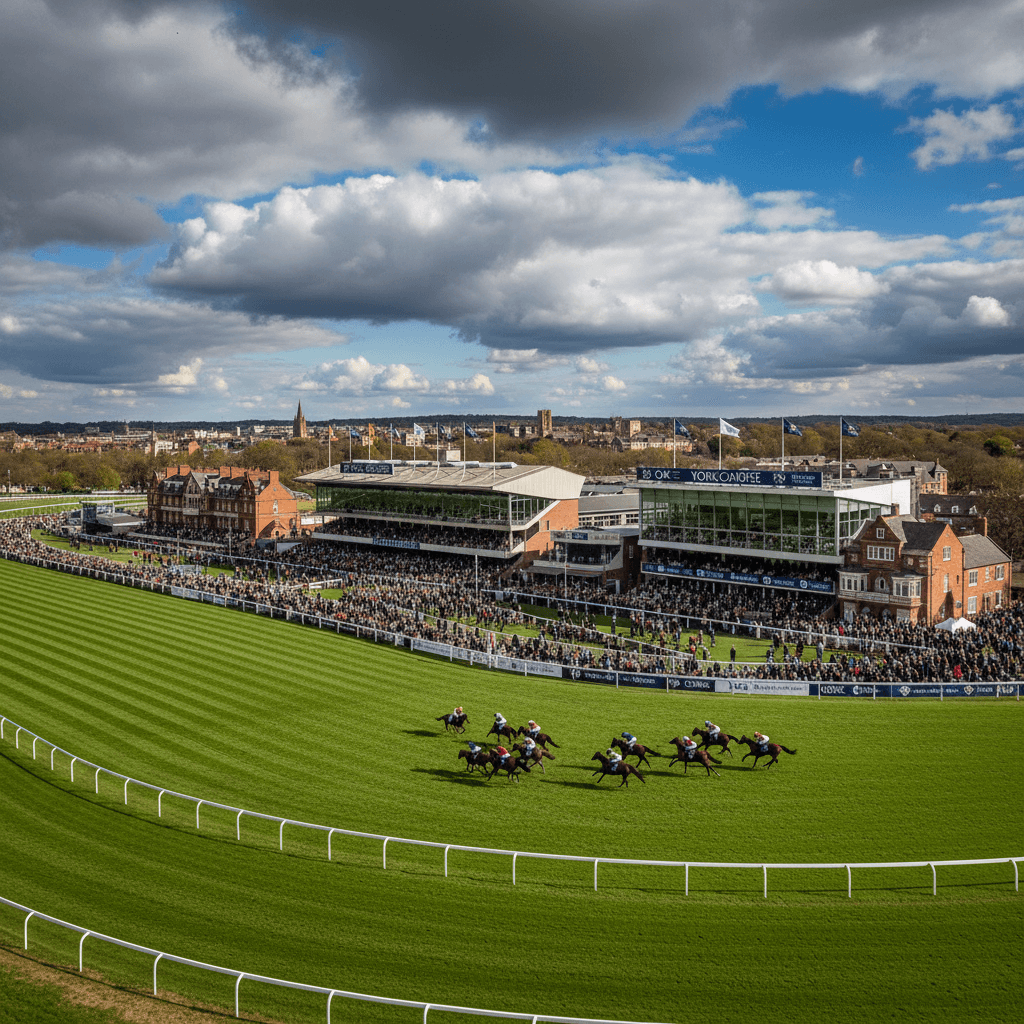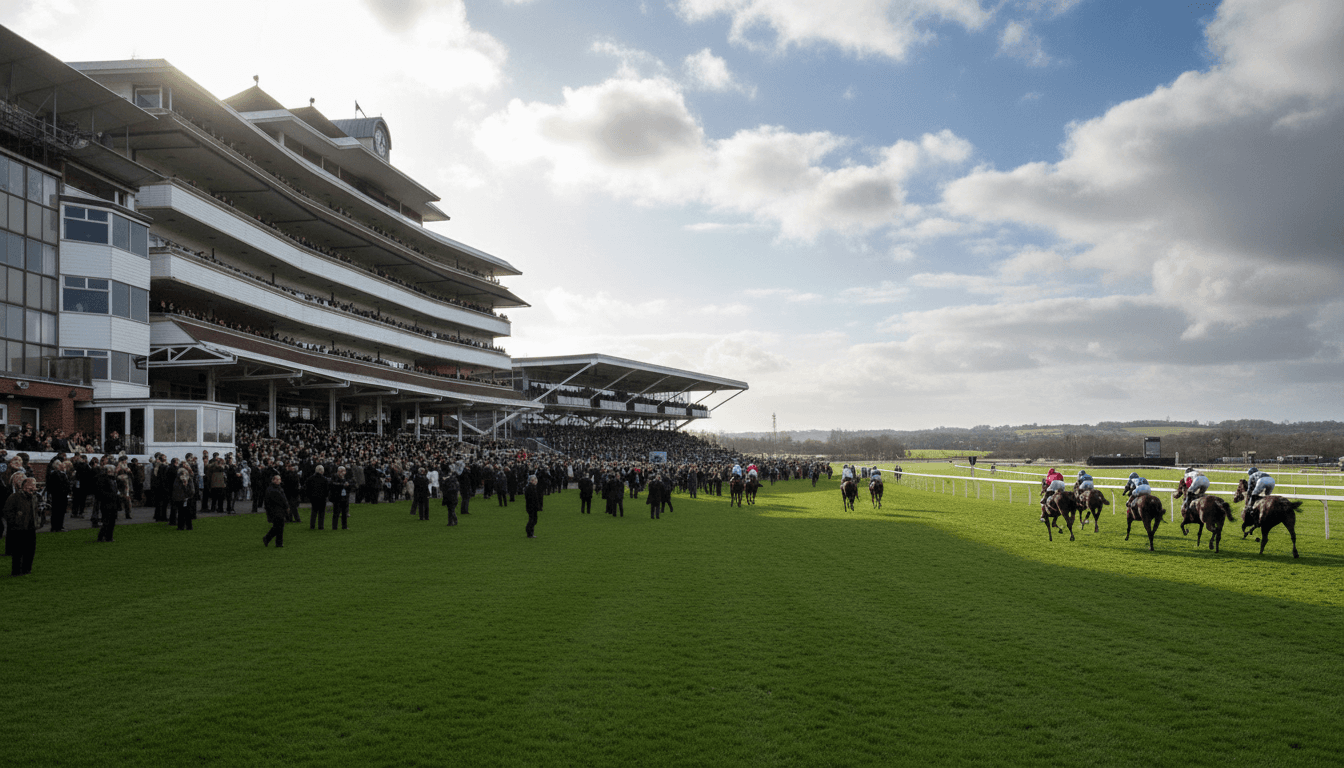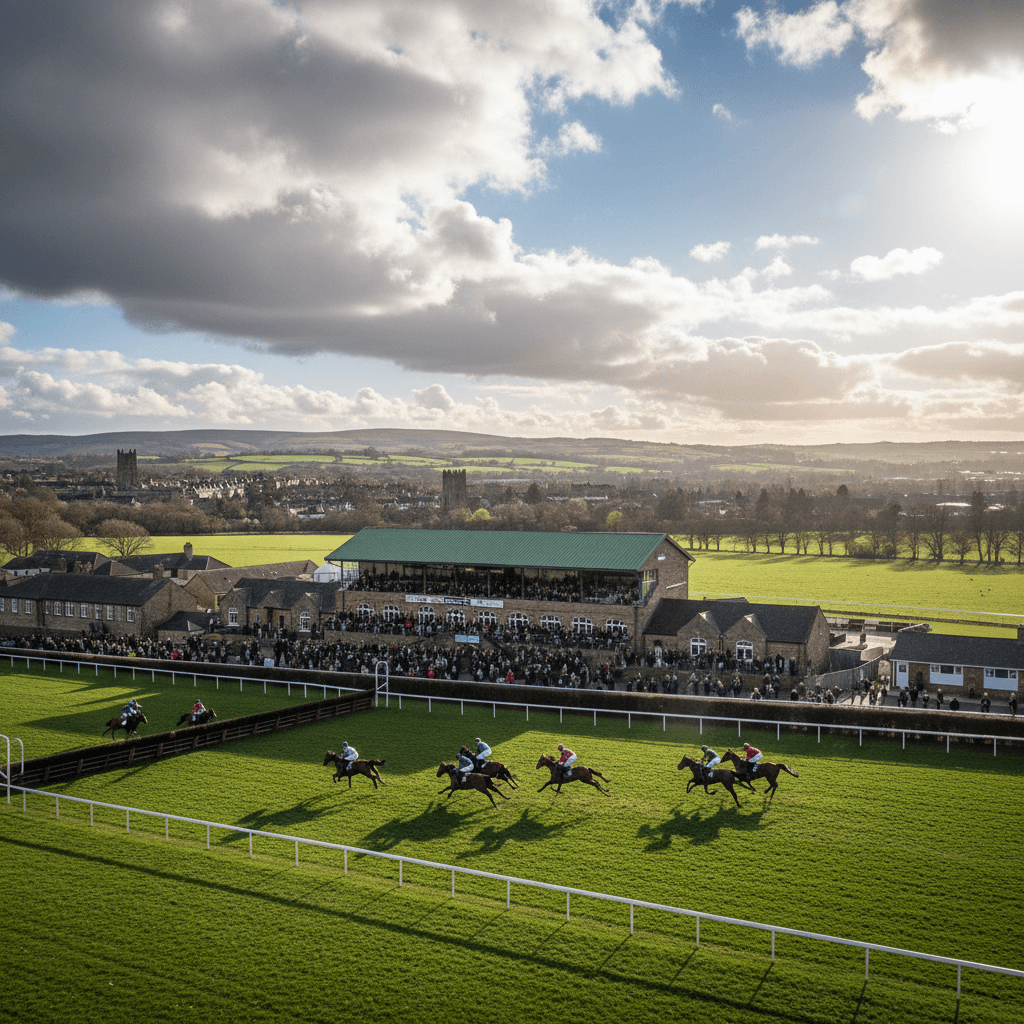
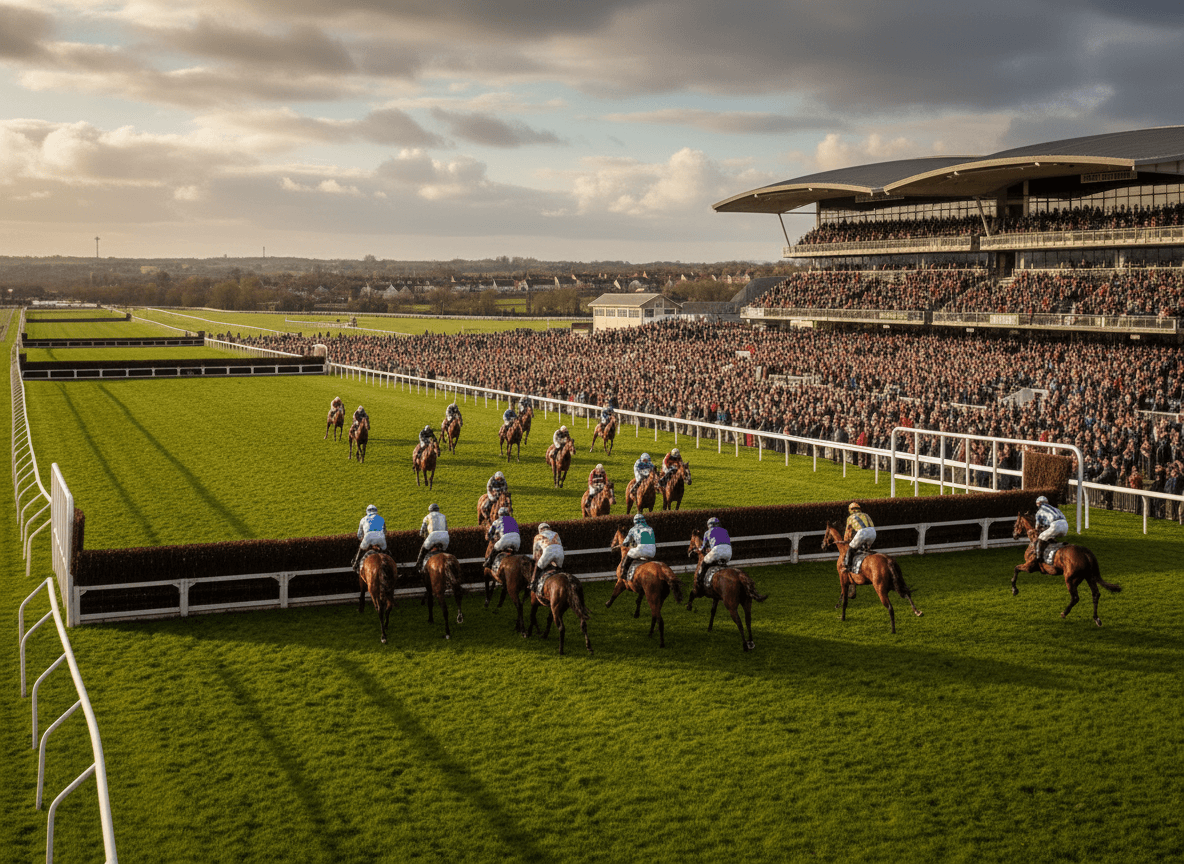
The World's Greatest Steeplechase
There is no race quite like the Grand National. For 180 years, this extraordinary steeplechase has captured the imagination of the sporting world like no other horse race. While the Derby may be the flat racing blue riband and Cheltenham Gold Cup the championship of jump racing, the Grand National stands alone as the one race that stops a nation.
First run in 1839, the Grand National has evolved from a savage test of horse and rider into the most watched horse race in the world. Over 600 million people tune in globally to witness this unique spectacle, where 40 horses and jockeys tackle the most demanding course in racing. It's a race where legends are born, dreams are shattered, and the impossible becomes possible.
The 2026 renewal on Saturday 11th April promises to continue this rich tradition. As we approach another chapter in this storied race, it's worth examining what makes the Grand National so special and why it remains the ultimate prize in jump racing.
Aintree: A Course Like No Other
The Grand National course at Aintree is a beast unlike any other in racing. Stretched over 4 miles 2½ furlongs, this unique figure-of-eight layout presents challenges that would make even the bravest souls think twice. Our comprehensive Aintree racecourse guide details every aspect of this iconic venue.
The course features 30 fences over two circuits, with 16 unique obstacles that have claimed countless dreams over the decades. The most famous of these is Becher's Brook (fence 6 and 22), where the landing side drops away dramatically, creating a treacherous descent that has unseated many a hopeful. Named after Captain Martin Becher, who fell there in the first official running, it remains the most photographed fence in racing.
The Chair (fence 15) stands as the tallest obstacle at 5ft 2in, positioned ominously in front of the grandstand where 70,000 spectators hold their breath. The Canal Turn (fences 8 and 24) demands horses jump at an angle before making a sharp 90-degree left turn, while Valentine's Brook (fences 9 and 25) requires horses to clear both fence and brook in one leap.
What sets Aintree apart is not just the size of these fences, but their unique construction. Made from spruce and birch, they're designed to give way under pressure, a crucial safety feature that has evolved over decades of refinement.
The 2026 Aintree Festival
The Grand National doesn't exist in isolation. It's the centrepiece of a three-day festival (9-11 April 2026) that showcases the very best of jump racing. Thursday's card features the Aintree Hurdle, often serving as a Champion Hurdle consolation prize, while Friday's highlight is the Melling Chase, a Grade 1 contest that attracts the cream of two-mile chasers.
The Topham Chase, run over the National fences on Friday, provides a fascinating preview of Saturday's main event. Many Grand National hopefuls use this race as their final preparation, though history suggests it's a tough double to achieve.
Saturday's undercard includes the Foxhunters' Chase over the National course for amateur riders, and the Grand National Trial, though confusingly this handicap hurdle bears no relation to the main event. The day builds inexorably toward 5:15pm, when the field will be called to post for the race that matters above all others.
How Many Fences Are in the Grand National?
The Grand National features 30 fences in total, jumped over two circuits of the unique Aintree course. Horses face 16 different obstacles, with 14 of them jumped twice. The Chair (fence 15) and the Water Jump (fence 16) are only jumped once, on the first circuit. This creates the famous total of 30 fences that has become synonymous with the race's gruelling nature.
Evolution of the Great Race
The modern Grand National bears little resemblance to the cavalry charge of old. Following the tragic deaths of horses in the 1990s and 2000s, significant safety improvements have transformed the race while preserving its essential character.
Fence modifications have been the most visible change. The cores are now more flexible, the take-off sides less steep, and the landing areas have been improved. The field size was reduced from a maximum of 40 to the current 40 runners, though with more stringent qualification criteria.
Perhaps most importantly, the quality of horses competing has improved dramatically. Where once the National attracted the 'also-rans' of jump racing, it now draws genuine Grade 1 performers. This elevation in class has made the race more competitive while paradoxically making it safer, as better horses are more likely to complete the course.
What Makes a Grand National Winner?
Analysing Grand National winners reveals certain consistent traits that separate the successful from the also-rans. Stamina remains paramount - this is a race that finds out every weakness in a horse's constitution. The ability to maintain concentration over 4m2f while navigating 30 unique obstacles cannot be understated.
Jumping ability is obviously crucial, but it's a specific type of jumping prowess required. Grand National winners tend to be quick and efficient over their fences rather than spectacular. They need to conserve energy while maintaining rhythm throughout the marathon journey.
Age and experience matter significantly. The average winning age is nine years old, with very few horses younger than seven or older than twelve successful. Previous experience over the fences, while not essential, provides a significant advantage.
Weight remains a crucial factor despite the race's evolution. Horses carrying more than 11st have won just five times since 1980, highlighting the importance of securing a favourable handicap mark. Our detailed Grand National betting guide explores these statistical trends in depth.
Recent winners like Noble Yeats (2022), Minella Times (2021), and Tiger Roll (2018, 2019) exemplify these traits. They combined stamina, jumping ability, and crucially, the right temperament to handle the unique pressures of Aintree.
What Time Does the Grand National Start?
The 2026 Grand National is scheduled to start at 5:15pm on Saturday 11th April. This traditional start time allows for maximum television audience both in the UK and internationally. The race typically takes between 9-10 minutes to complete, depending on the pace and ground conditions. The timing ensures the race takes place in optimal light conditions while building anticipation throughout the day.
Recent Winners and Trends
The last decade of Grand National winners reveals fascinating patterns. Tiger Roll's back-to-back victories in 2018-19 made him the first horse since Red Rum to achieve this feat, cementing his place in racing folklore. Both victories came from relatively low weights, reinforcing the importance of handicapping.
Noble Yeats' victory in 2022 at 50/1 reminded us that the National retains its capacity for surprise, while Minella Times' success for Rachael Blackmore in 2021 marked a historic first for a female jockey. These recent winners shared common traits: proven stamina, solid jumping records, and crucially, the ability to handle Aintree's unique demands.
The trend toward younger, higher-class horses continues, with trainers increasingly viewing the National as a target for their better animals rather than a last resort for the moderate.
Looking Ahead to 2026
As we approach the 2026 Grand National, the race continues to evolve while maintaining its essential magic. Safety improvements have made it a more humane spectacle without diminishing its challenge or excitement. The quality of horses competing has never been higher, promising another thrilling renewal of the world's greatest steeplechase.
Whether you're a seasoned racing fan or a once-a-year punter, the Grand National offers something unique in sport - a genuine test of courage, skill, and stamina played out on the grandest stage. For comprehensive coverage and expert analysis, visit our Grand National tips and previews section as we build toward another unforgettable chapter in this race's remarkable history.
The 2026 Grand National promises to deliver everything we've come to expect from this extraordinary race: drama, heartbreak, triumph, and memories that will last a lifetime. Roll on April 11th.