A Course Like No Other
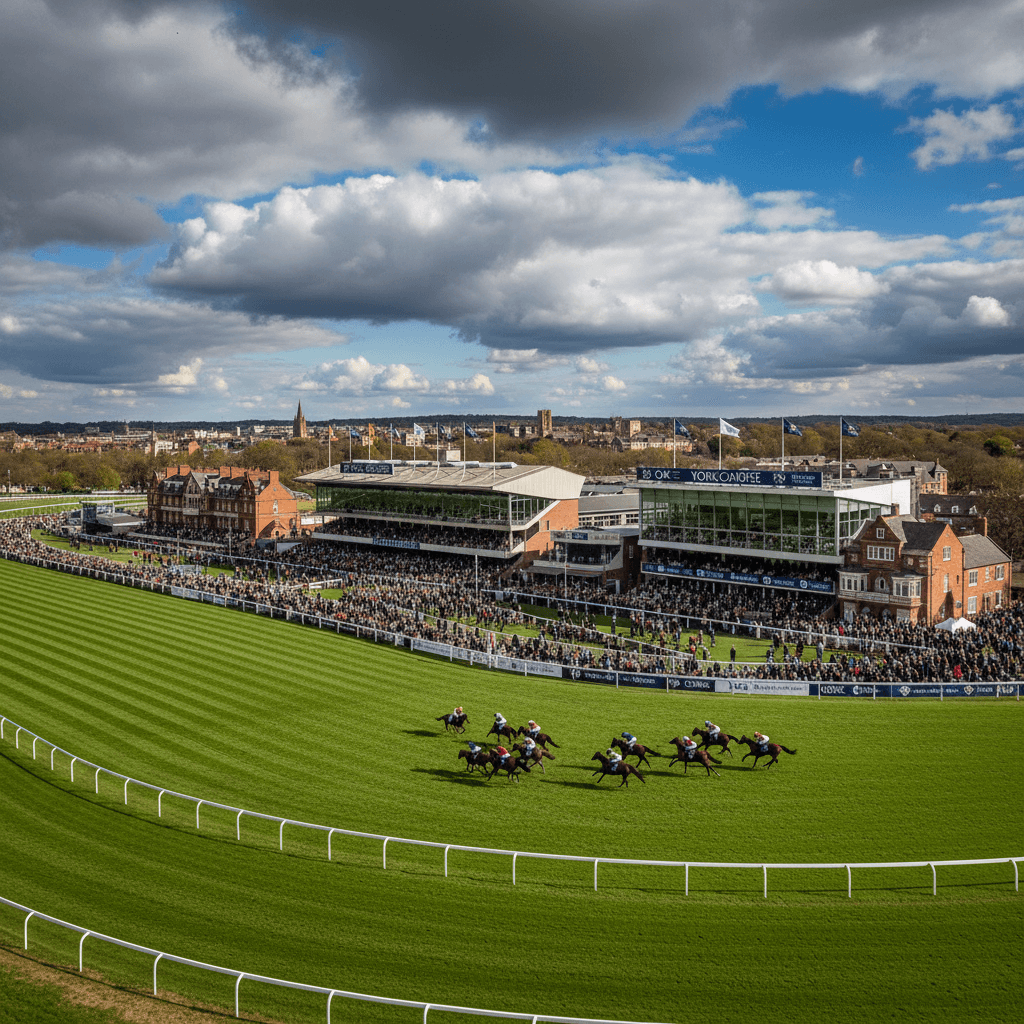
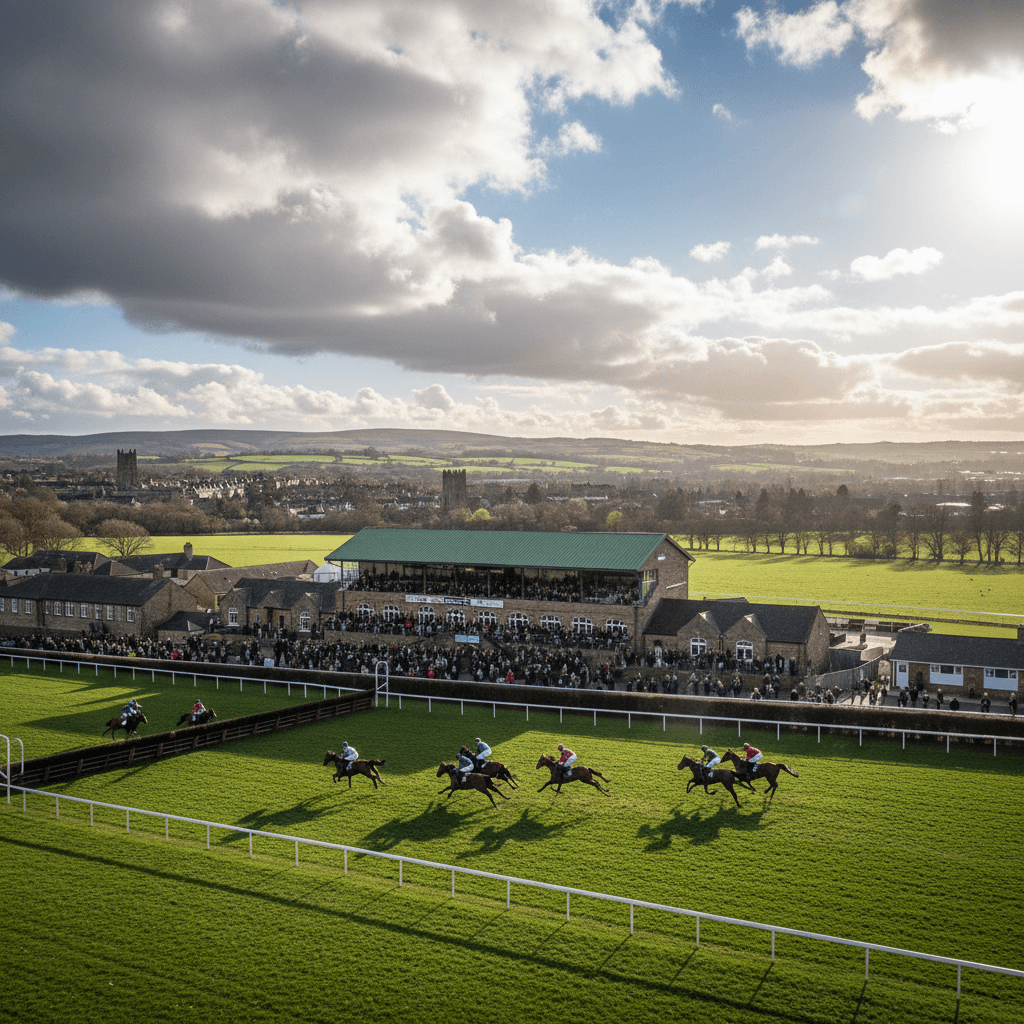
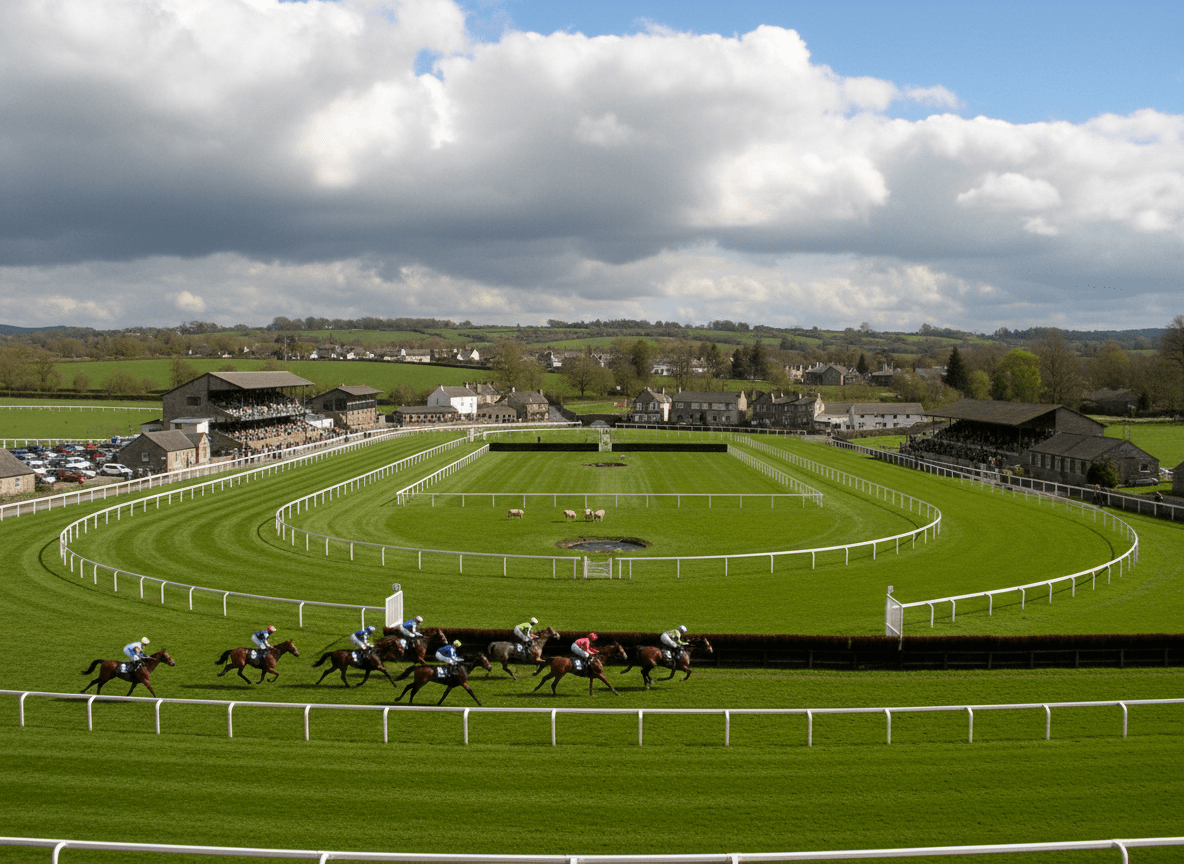
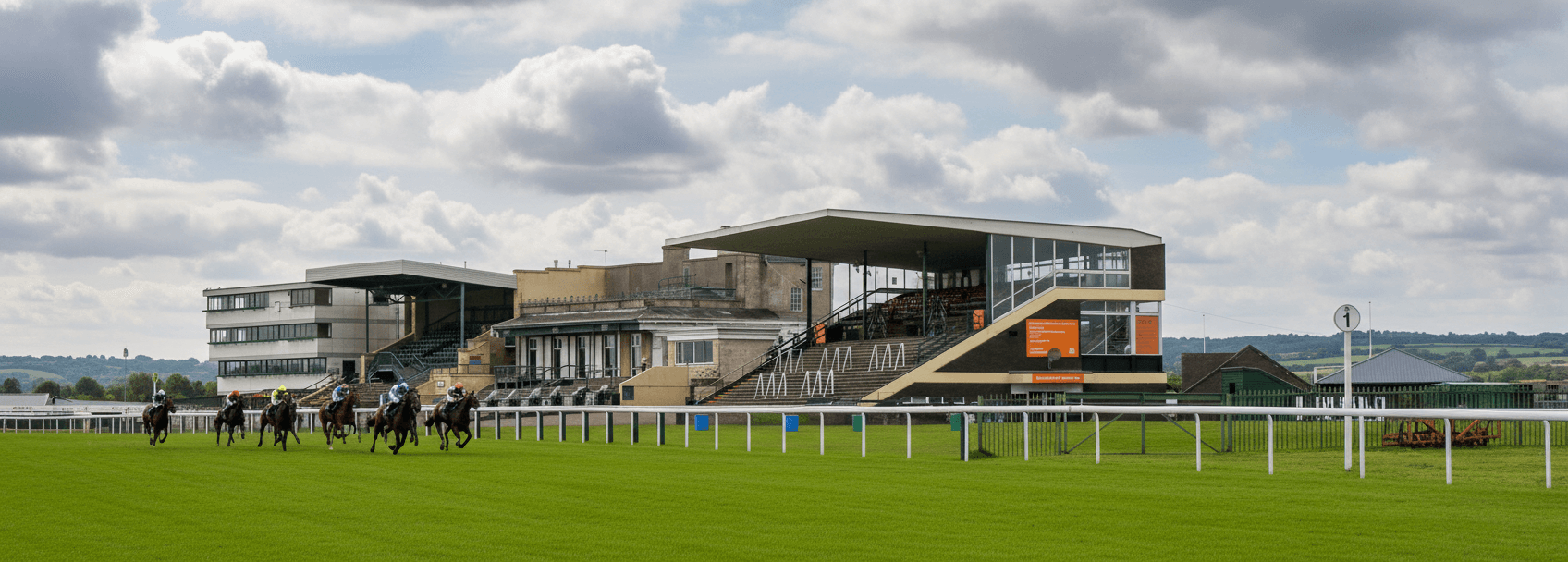
There are racecourses, and then there is Bath. Perched more than 700 feet above sea level on the edge of one of England's most beautiful cities, this is the highest flat racecourse in Britain — and on a clear August afternoon, when the panorama stretches out across the Georgian rooftops and the Somerset hills shimmer in the distance, it feels less like a day at the races and more like a privilege. Bath has been staging flat racing since 1772, which means it has witnessed more than two and a half centuries of equine endeavour, and yet it never feels like a museum piece. It feels alive, purposeful, and gloriously itself.
It may not host the glamour of Royal Ascot or the prestige of Newmarket's Classics, but Bath has something those venues cannot manufacture: an intimacy and a character that stays with you. Racegoers here tend to know their horses, know their trainers, and know what they're looking at. The atmosphere on a summer afternoon — the kind of warm, unhurried energy that belongs entirely to the English racing season at its best — is something that punters and enthusiasts return to year after year. This week, Bath gives us three consecutive afternoons of that pleasure, and it would be a shame not to make the most of them.
This Week's Fixtures: What to Expect
Bath hosts afternoon flat racing across Wednesday 5th, Thursday 6th, and Friday 7th August 2026, with six races scheduled on each card. You can find the full details on the Bath Wednesday racecard, the Bath Thursday racecard, and the Bath Friday racecard.
The going is currently Good to Firm, Good in Places across all three days, with a soil moisture reading of 39 — conditions that are consistent and honest, the kind of ground that rewards genuine ability rather than muddying the picture with extremes. Good to Firm at Bath in August is about as reliable a surface as you'll find anywhere on the summer circuit, and trainers who know this course will have been pointing horses at these fixtures for weeks. That consistency across three days is also worth noting from a betting perspective: horses that ran well here on Wednesday are worth revisiting on Friday if connections opt to run back quickly, as the ground will be essentially unchanged.
Afternoon Scheduling
All three cards run in the afternoon, which suits Bath perfectly. The course comes into its own under natural light — the shadows across the undulating track, the way the crowd settles into the rhythm of a long summer afternoon. There are no floodlit evening gimmicks needed here. The racing speaks for itself.
Understanding the Track: Where Races Are Won and Lost
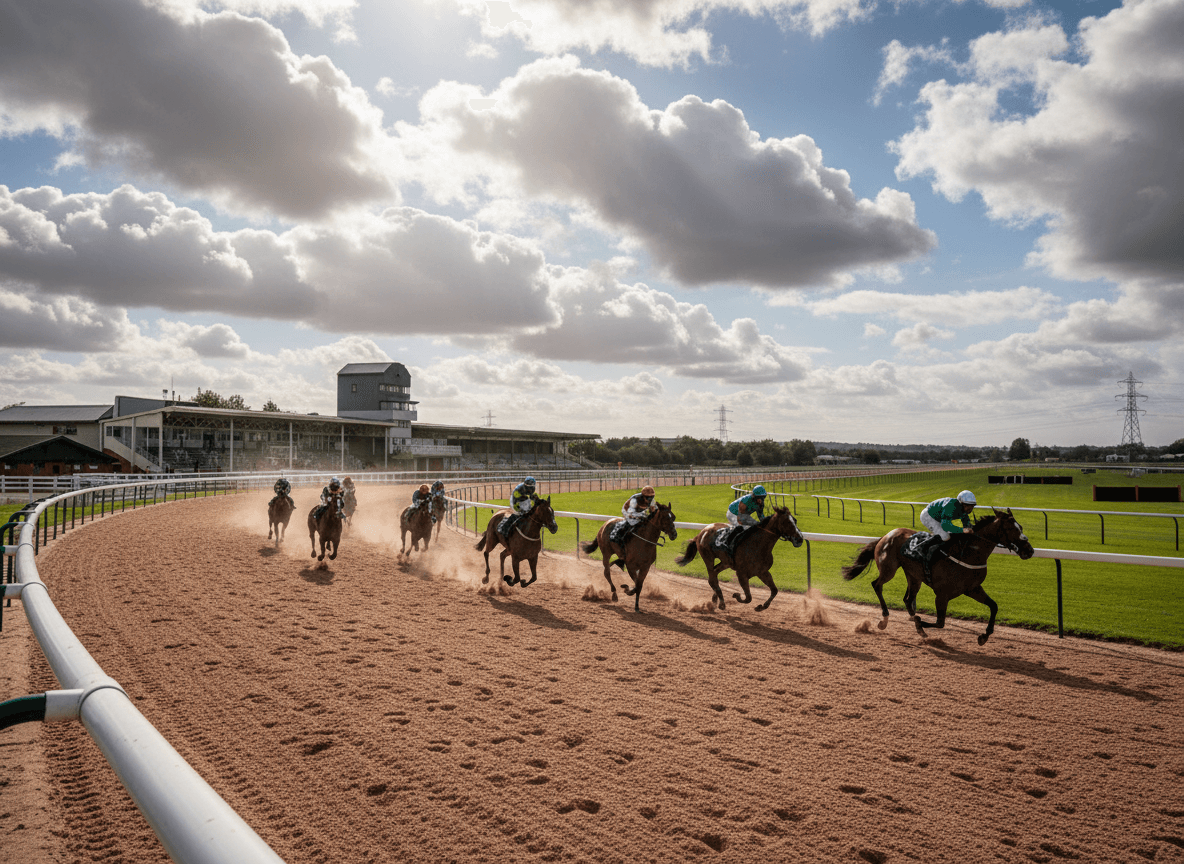
Bath is a left-handed, undulating course of approximately one mile and four furlongs in circumference, and understanding its quirks is essential if you want to bet with any real confidence here. The track presents a series of challenges that separate the course specialists from the one-time visitors, and the most significant of these is the uphill finish.
From the final two furlongs, horses are climbing — and climbing meaningfully. A horse that has burned its petrol chasing the pace on the far side will find that hill brutally exposing. Equally, a horse with a genuine stamina reserve, one that has been ridden with patience and produced late, will often mow down rivals who have given everything too soon. This is a course that punishes impatience — in horses, in jockeys, and in punters.
Draw Biases and Pace Dynamics
The draw at Bath is one of the more nuanced on the flat circuit, and it varies meaningfully by distance. Over the shorter trips — five and six furlongs — a low draw is generally advantageous, as the camber and the early bend favour horses that can get across quickly and find the rail. Over a mile and beyond, the bias becomes less pronounced, and the quality of the ride and the horse's ability to handle the undulations matters far more than stall position.
Pace is everything on this track. Bath rewards horses that settle, travel within themselves, and have something left when the hill arrives. Front-runners can and do win here — particularly over five furlongs, where the downhill start generates genuine early speed — but over middle distances, the race is rarely over until the final furlong. Keep a close eye on how races are set up tactically, and be wary of backing horses that are likely to be fighting for position in the early stages.
The Type of Horse That Thrives at Bath
If you're doing your homework ahead of these three days, there are certain profiles worth prioritising. Course and distance winners are always worth their weight here — Bath is unusual enough that horses who have already proven they handle its undulations and uphill finish deserve significant credit. A horse that has won over a mile at Newbury is not automatically equipped for a mile at Bath; the tracks ask fundamentally different questions.
- Stayers and galloping types tend to thrive, particularly over a mile and beyond. The uphill finish suits a horse with a long, ground-eating stride.
- Horses trained by West Country yards — notably those based in and around Lambourn, Wiltshire, and Somerset — often have a strong record here, benefiting from local knowledge and course familiarity.
- Lightly raced improvers on Good to Firm ground can be excellent value, as the honest surface allows genuine ability to shine through.
- Horses with a clean jumping action — those that handle undulating ground without losing rhythm — have a clear advantage over flatter-track specialists.
On the shorter trips, look for horses with natural early pace and the ability to handle the downhill start at five furlongs without overreaching. It is a sprint, but it is not a straightforward one.
Practical Tips for Racegoers and Punters
If you're attending in person this week, arrive early enough to walk the course and get a feel for the going underfoot. The ground can vary slightly across the track even with a consistent soil moisture reading, and watching the first race from the rail near the home straight will give you a far better sense of how the surface is riding than any official description can provide.
For those betting remotely, the early price markets at Bath tend to shorten quickly on horses with obvious course form, so getting on at the overnight price can represent real value. Watch the market moves in the hour before racing — Bath attracts a knowledgeable local betting community, and significant moves often reflect genuine stable confidence rather than market noise.
Finally, do not overlook the trainer statistics for this specific course. Some handlers have remarkable records at Bath that bear little relation to their overall strike rates, and those patterns are worth identifying before the week begins.
A Week Worth Savouring
Three afternoons of honest, well-conditioned flat racing at one of Britain's most characterful venues — Bath this week is, in the truest sense, what summer racing is for. The going is fair, the course is demanding in all the right ways, and the setting remains as breathtaking as it has been for the best part of three centuries. Whether you're visiting in person, studying the form from home, or simply following along for the love of it, take a moment to appreciate what Bath Racecourse represents: racing with roots, racing with integrity, and racing that still has the power to surprise you.
Check the full racecards for Wednesday, Thursday, and Friday and enjoy every furlong of it.