A Hilltop Gem Like No Other
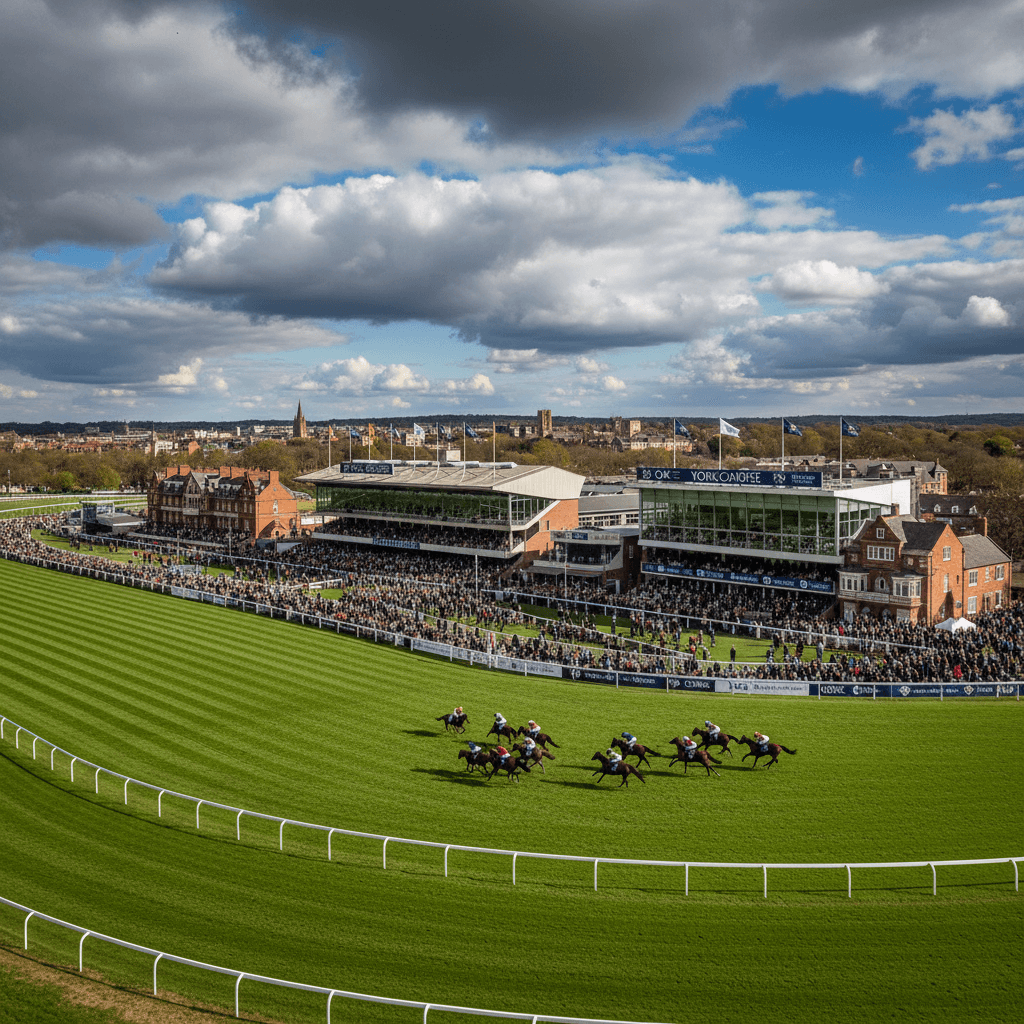
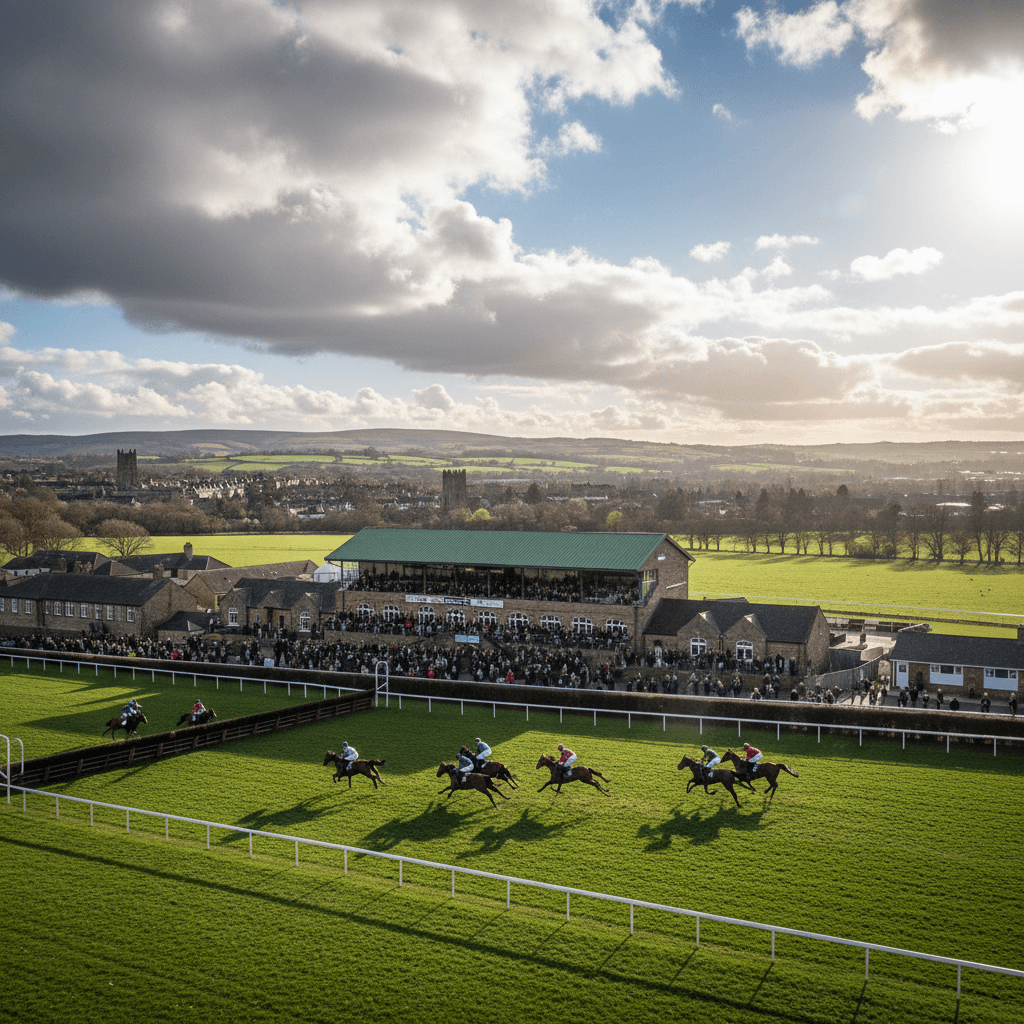
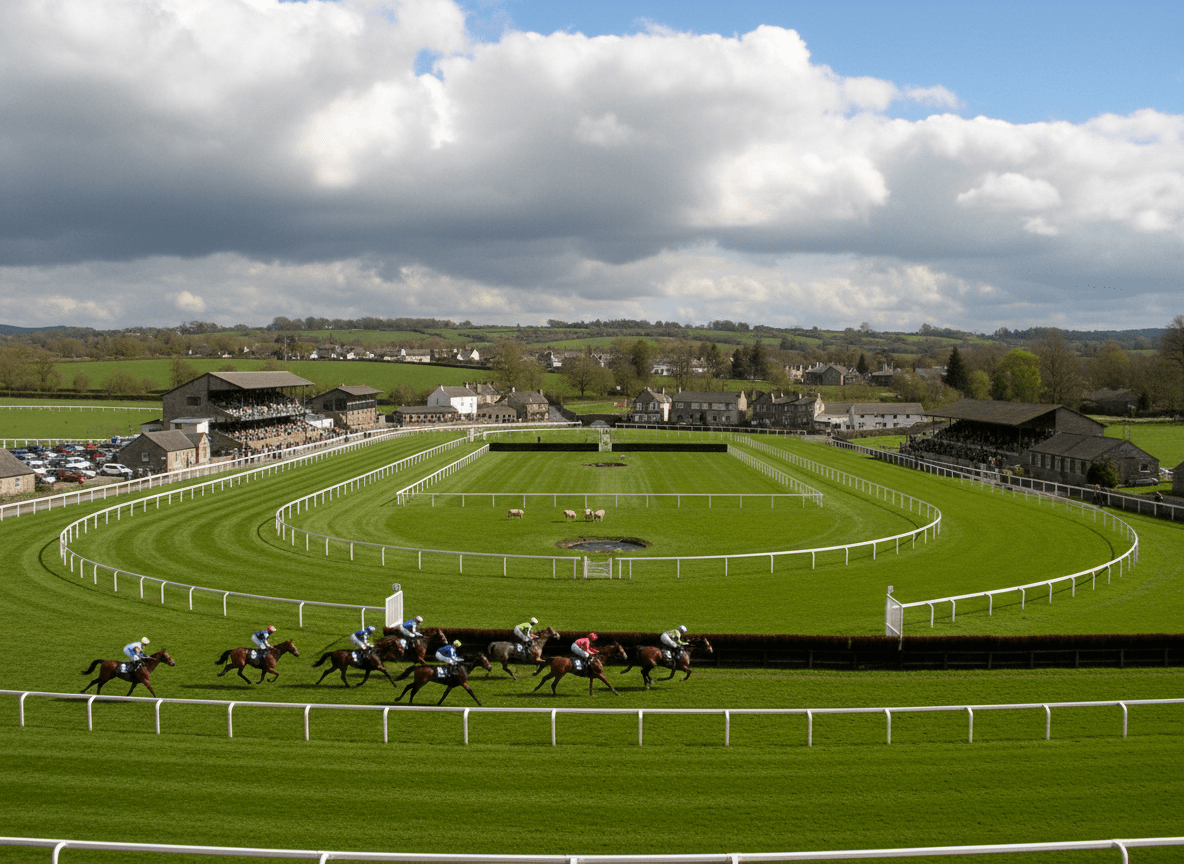
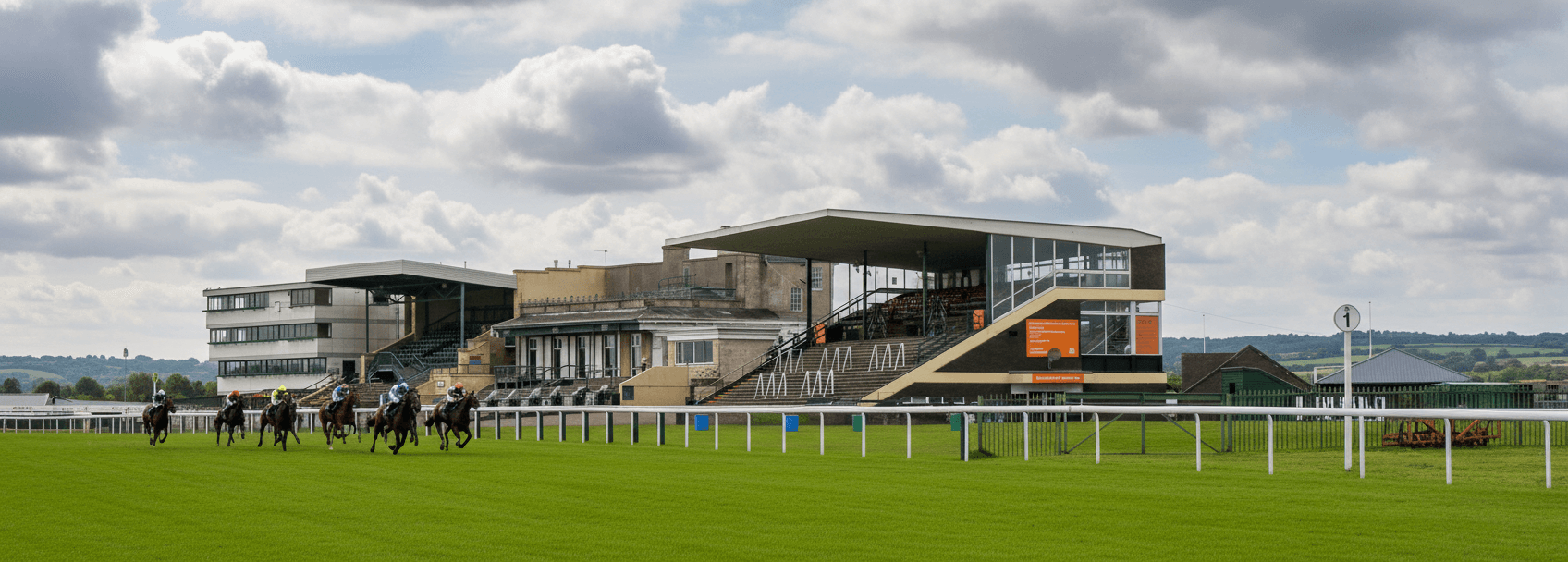
There are racecourses that host bigger fields, offer richer prizes, and attract the very finest thoroughbreds in training. And then there is Bath. Perched more than 700 feet above sea level on the limestone plateau of Lansdown, it is the highest flat racecourse in Britain — a distinction that feels entirely fitting for a venue of such quiet, enduring distinction. To stand in the grandstand and look out across the rooftops and Georgian crescents of the city below, with the Cotswold hills rolling away in the distance, is to understand immediately why this place has been drawing racegoers since 1772. That is not a typo. Over two and a half centuries of flat racing have taken place on this hilltop, and the course still feels entirely alive to that heritage without being weighed down by it.
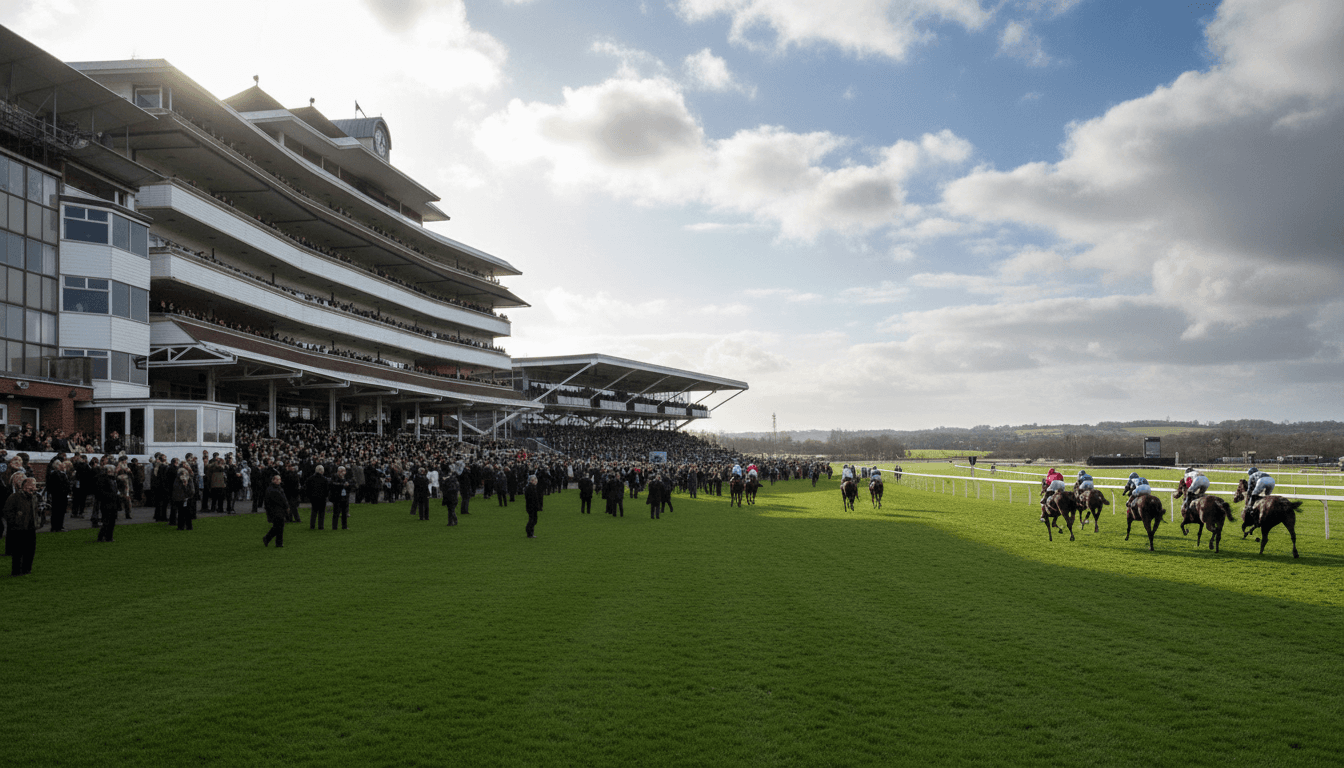
Bath will never be Ascot or Newmarket. It does not pretend to be. What it offers instead is something arguably more precious: a genuine sense of place, an intimacy between horse, jockey, trainer, and crowd that the great metropolitan tracks can rarely replicate. The atmosphere here on a warm summer afternoon — the smell of cut grass, the thrum of anticipation before the off, the collective gasp as the field turns for home and the uphill finish begins to sort the resolute from the merely talented — is one of racing's quiet pleasures, and one that deserves far more attention than it typically receives.
This Week's Fixtures: What to Expect
Bath stages two afternoon fixtures this week, offering twelve races across the two days and giving punters and racegoers a fine opportunity to enjoy the course at what is arguably its very best time of year.
The first card takes place on Sunday, 23 August 2026, with six races run on ground described as Good, Good to Firm in places, with a soil moisture reading of 39. The following afternoon, Monday, 24 August 2026, offers another six-race card on identical going conditions — the moisture reading holding steady at 39, suggesting the ground is unlikely to change materially between the two days barring any unexpected rainfall.
Good to Firm ground at Bath in late August is entirely typical, and for most connections it will be welcome news. The course rides well in these conditions, the going is consistent across the track, and the times tend to be honest and reliable — useful for form students trying to assess the quality of individual performances. Those with horses that genuinely require soft ground will find little comfort here this week, but for the majority of summer flat performers, this is close to ideal.
Understanding the Bath Track
To bet successfully at Bath — or simply to appreciate what you are watching — it helps enormously to understand the peculiarities of the course itself. This is not a straightforward galloping track, and it rewards horses and jockeys with a specific set of qualities.
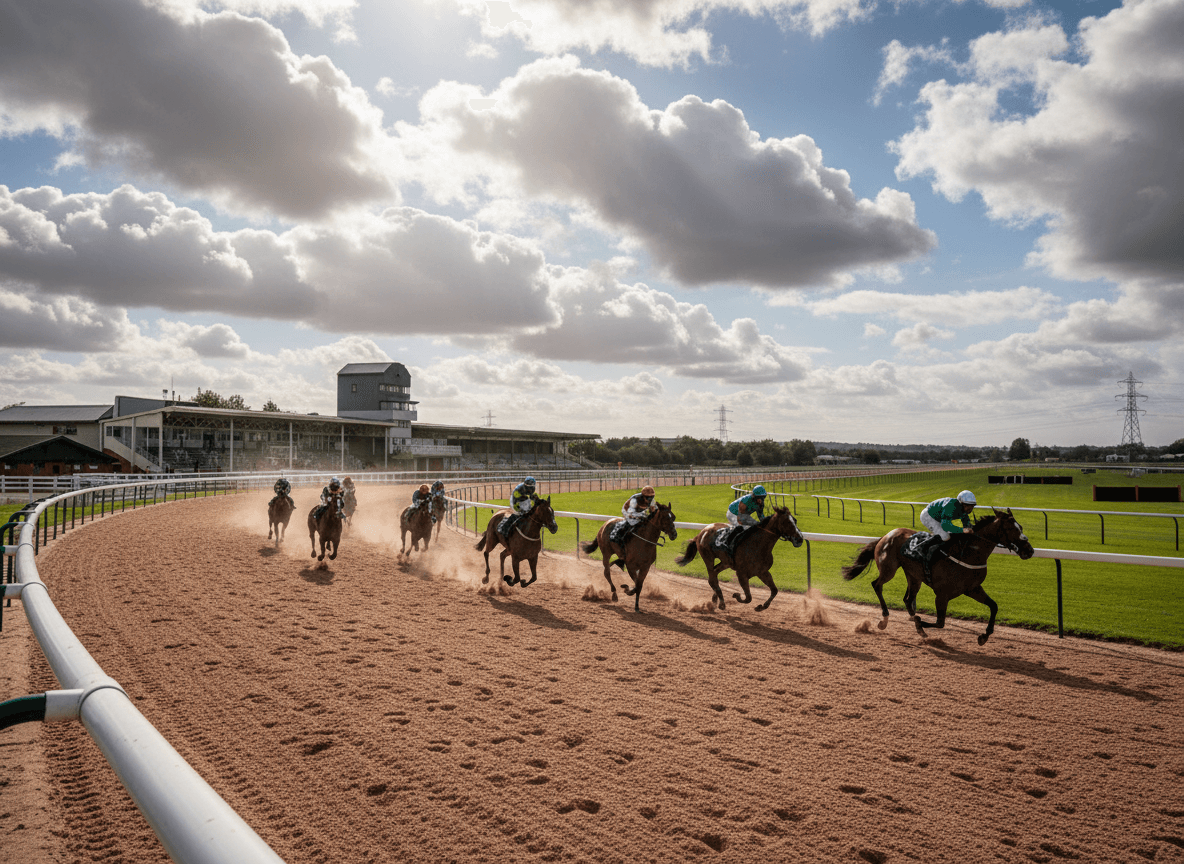
The circuit is left-handed and roughly one mile four furlongs in circumference, but it is the undulations that define it. The track rises and falls in a manner that punishes the unfit and the faint-hearted, and the finishing straight — a sustained uphill climb that tests a horse's reserves in the final furlong — is one of the most honest examinations of stamina on the entire flat calendar. A horse that wins at Bath, particularly over middle distances, has genuinely earned it.
The Sprint Distances
The five-furlong course at Bath is a fascinating anomaly. Running predominantly downhill, it produces some of the fastest times you will see anywhere in the country, and it places an enormous premium on early pace and a clean break from the stalls. Horses that tend to race prominently are favoured significantly, and a sluggish start can be very difficult to recover from over such a short trip on a course that offers little opportunity to make up ground once the downhill momentum has built. Watch the market moves in sprint races here — a well-backed horse with proven early pace is often a reliable guide.
Draw Bias and Positioning
Draw bias at Bath is genuinely worth considering, particularly in larger fields. On the straight course, low draws tend to hold a slight advantage in sprint races, as horses can find the rail and avoid being shuffled wide in the early stages. Over longer trips on the round course, the draw becomes less significant, but positional sense remains important — horses that race kindly and settle without fighting their jockey through the undulations tend to have considerably more left in the tank when the hill arrives.
What Type of Horse Thrives at Bath?
Bath has a very clear profile of winner, and once you internalise it, the course becomes considerably more legible from a betting perspective. The horses that consistently perform well here share a handful of key characteristics:
- Genuine stamina — the uphill finish ruthlessly exposes horses that are flattered by flat or downhill tracks elsewhere.
- Course experience — Bath regulars, particularly those trained locally by yards with a strong record at the track, tend to outperform their market position with notable consistency.
- Soundness and wellbeing — the undulating nature of the track places real physical demands on a horse's musculature and joints. Horses in peak condition, trained by handlers who prioritise long-term soundness over short-term results, tend to handle Bath's quirks better than those who may be carrying any underlying issues.
- Tactical versatility — horses that can be ridden with restraint before producing a sustained effort up the hill are at a significant advantage over those that need to be on the pace throughout.
It is also worth noting that Bath has historically been a course where smaller, family-run yards with deep local knowledge punch well above their weight. The big powerhouse operations send their best horses to the prestige meetings; Bath often rewards the trainer who knows the track intimately and places their horses with intelligence and care.
Tips for Racegoers and Punters
If you are making the trip to Lansdown this weekend or Monday, a few practical thoughts are worth bearing in mind. The course sits high and exposed, and even in August the breeze can be brisk — a light layer is never a bad idea, whatever the forecast says at ground level in the city. The views from the top of the grandstand are genuinely spectacular, and it is worth arriving early enough to take them in before the card gets underway.
For those betting from home, the consistency of the going across both days makes form comparison relatively straightforward this week. Focus particularly on horses with proven form on Good to Firm ground, and treat any runner whose best form has come on soft or heavy going with considerable scepticism regardless of their overall ability. The ground simply will not be in their favour.
Pay close attention to the jockey bookings, too. Certain riders have a particularly strong affinity with the Bath track and its demands — local knowledge and course familiarity are worth a pound or two in the market here, and a booking from a jockey with a strong recent record at the course is always worth noting in your racecard.
A Course Worth Cherishing
Racing at Bath this week offers something that is increasingly rare in modern sport: a genuine connection between a place and its history, between the animals at the heart of the spectacle and the people who care for them. This is a course that has never lost sight of what flat racing is supposed to feel like — competitive, honest, and set against a backdrop that reminds you why the sport captured hearts in the first place.
Whether you are heading up to Lansdown in person or following the action from home, the two fixtures this week on the Bath track offer twelve races of genuine interest on conditions that should bring out the best in the runners. Check the full racecard for Sunday and Monday on Paddock Punter, do your form study, and enjoy one of British racing's most quietly magnificent stages.