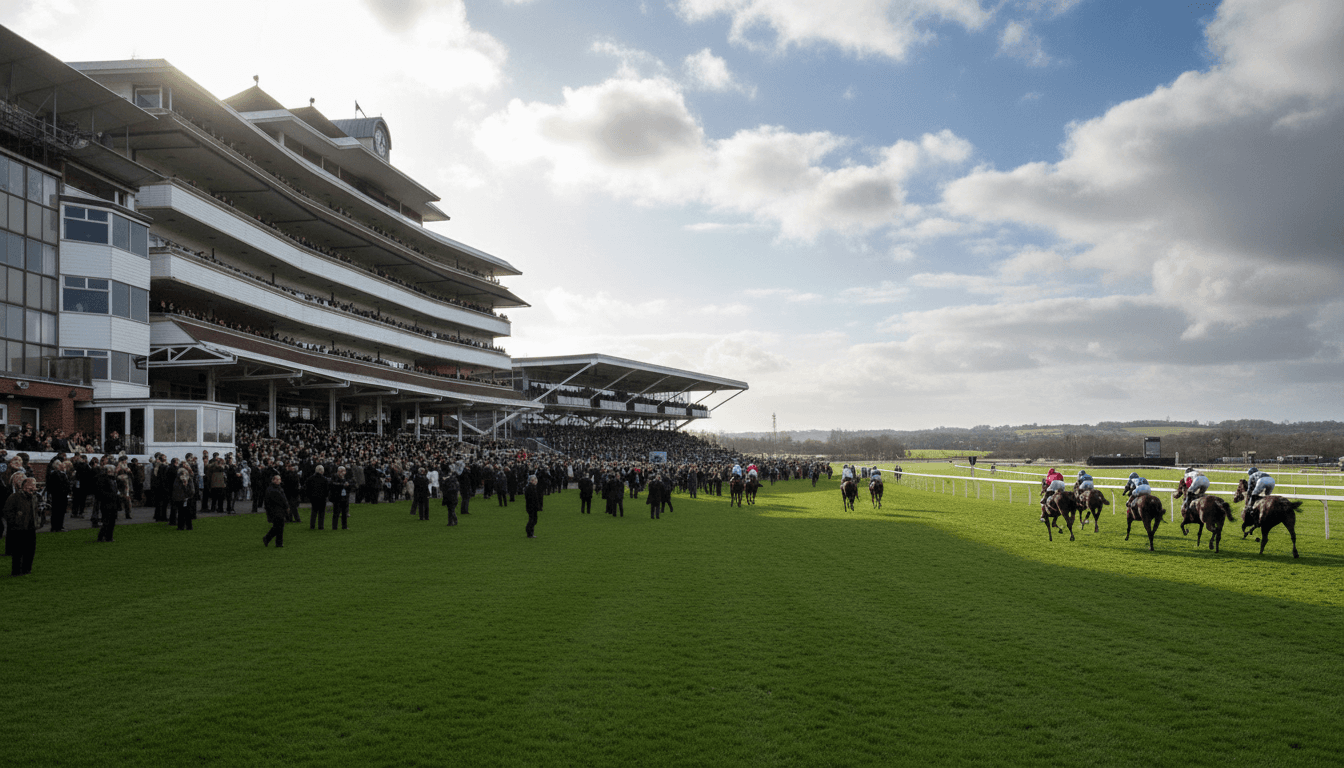
A Course That Has Always Known Its Own Worth
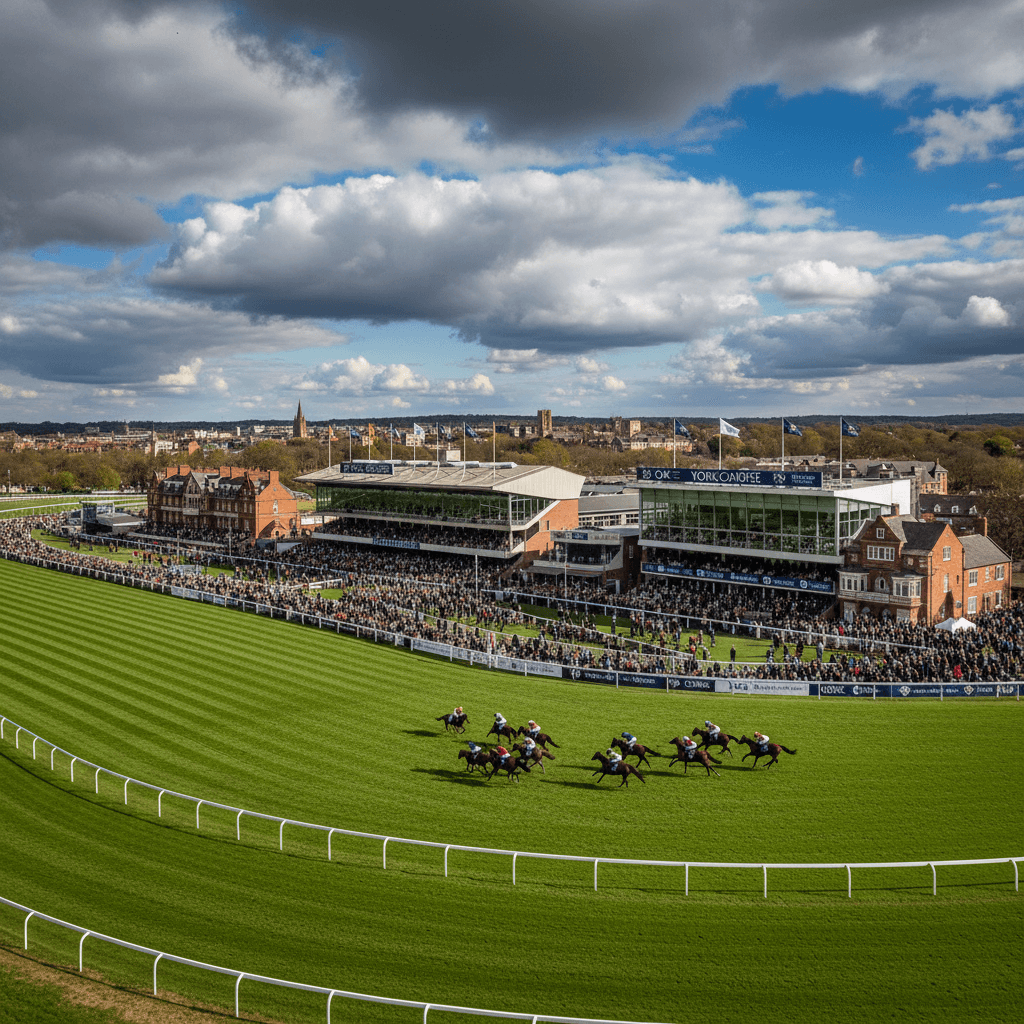
There are racecourses in Britain that demand your attention through sheer noise and spectacle, and then there is Newbury — a place that earns it through quiet, enduring excellence. Nestled in the gentle Berkshire countryside, Newbury Racecourse has been doing things properly since it first opened its gates in 1905, and more than a century on, it carries that heritage not as a burden but as a kind of quiet confidence. The wide, galloping track, the beautifully maintained turf, the sense that everyone involved — from the groundstaff to the stewards — genuinely cares about getting it right. These things matter, and at Newbury, they have always mattered.
It is a course that rewards the honest horse and the thoughtful trainer, a place where shortcuts tend to be found out and genuine quality tends to shine through. That makes it, in many ways, a journalist's dream — and a punter's too, if you know what to look for. This week, with three consecutive afternoons of summer Flat racing on the card, Newbury is offering exactly the kind of sustained, high-quality sport that reminds you why this game gets under your skin in the first place.
This Week's Fixtures: Three Afternoons of Summer Flat Racing
The action begins on Thursday, 20 August 2026, with a six-race Flat card run under afternoon conditions on ground described as good to firm. You can find the full Newbury Thursday, 20 August 2026 racecard on the site, and it is well worth studying in advance — good to firm at Newbury in August is about as fair and reliable a surface as British racing can offer, and the times it produces are a genuine guide to class.
Friday, 21 August brings another six-race afternoon card, again on good to firm ground, and the Newbury Friday, 21 August 2026 racecard promises a well-structured day of racing that should suit a range of types. With the going expected to remain consistent across the three days — there is no significant rain forecast, and the track's excellent drainage ensures the surface holds its condition well — trainers will be running with confidence rather than caution.
The week reaches its natural peak on Saturday, 22 August, when the card extends to seven races, giving the weekend crowd a fuller afternoon's entertainment. The Newbury Saturday, 22 August 2026 racecard is the one to circle if you can only make one day, and Saturday crowds at Newbury have a particular warmth to them — knowledgeable without being intimidating, enthusiastic without being rowdy.
Understanding the Track: What Newbury Rewards and What It Exposes
Newbury is a left-handed, galloping track with a notably wide racing surface and relatively gentle bends, which means it places a premium on sustained galloping ability rather than sharp acceleration through tight turns. The long straight — one of the more demanding finishes in British Flat racing — means that horses who idle when hitting the front, or who need a strongly-run race to bring out their best, are well served here. Equally, it can be a brutal venue for those who are all speed and no stamina; the track has a way of finding out a horse that is flattered by a shorter, sharper circuit.
On good to firm ground in particular, the pace tends to be honest from the outset, and the times can be fast enough to test even the most well-conditioned horses. Trainers who have their horses fit and ready — rather than using the race as a pipe-opener — tend to do well here. That is worth bearing in mind when you are assessing the market; a horse with a sympathetic preparation and a trainer who respects the track is always worth a second look.
Draw Bias on the Flat
On good to firm ground over sprint distances, a high draw can offer a marginal advantage at Newbury, as runners tend to race towards the stands rail in the straight, which often provides the best ground. Over middle distances and beyond, the draw becomes far less significant — the track is wide enough and the bends gentle enough that position at the start matters far less than the quality of the horse and the judgment of the jockey. Do not let a wide draw put you off a genuine stayer; over a mile and beyond, it is largely irrelevant.
Pace Dynamics to Watch
Because the track rewards galloping types, races at Newbury often develop into genuine tests of stamina in the closing stages, even at distances that might seem sprint-orientated elsewhere. Horses who travel smoothly through the race and pick up gradually — rather than those who produce a sudden, explosive burst — tend to hold their form here better than at tighter tracks. If you are watching the early exchanges, pay attention to which horses are travelling comfortably within themselves; at Newbury, comfort in the middle part of the race is often the best predictor of who will see it out strongest.
The Type of Horse That Thrives at Newbury
In simple terms, Newbury is a big, scopey, well-balanced horse's track. The wide galloping surface suits those with a long, ground-covering stride, and the sustained nature of the finish means that a high cruising speed — the ability to maintain a strong gallop over a long distance rather than produce a single sharp kick — is the most valuable asset a horse can bring here.
Horses trained by handlers who prioritise fitness and wellbeing over quick returns tend to perform consistently well at Newbury. The track does not flatter horses who are underdone or over-raced, and the quality of the surface means that any physical vulnerability tends to show up in performance. From a welfare perspective, that is one of the things I genuinely admire about Newbury — it is a course where doing right by your horse and doing right by your results tend to point in the same direction.
- Galloping types with a long stride and high cruising speed
- Well-balanced horses that handle gentle left-handed bends smoothly
- Proven course-and-distance winners, who tend to return to form here reliably
- Horses from stables in form — Newbury rewards preparation, and form yards exploit that
- Runners comfortable on quick ground — good to firm here is genuine and unforgiving
Practical Tips for Racegoers and Punters
If you are heading to Newbury this week, the good news is that the course is exceptionally well set up for a day out. Facilities are excellent, sightlines from the main grandstand are generous, and the paddock — always one of the best places to spend time at any racecourse — gives you a genuinely useful view of how horses are moving and behaving before a race. Take the time to watch the pre-parade ring as well as the main paddock; at Newbury, where the ground is fast and the races are run at a proper gallop, a horse that looks relaxed and well in itself is always a positive sign.
For those betting from home, keep a close eye on the going reports as the week progresses. Good to firm at Newbury is a consistent surface, but three days of racing can begin to affect the ground in high-traffic areas, particularly around the two-furlong pole where the racing tends to cluster. Any significant change in the going description mid-week could have meaningful implications for horses with a ground preference.
Finally, do not overlook the Friday card simply because Saturday carries more races. Some of the shrewdest trainers in the country use Friday afternoons at quality tracks to run horses away from the spotlight, and Newbury on a Friday in August — with the ground fast and the competition perhaps slightly less fierce than the weekend — can be a fertile hunting ground for value.
A Week Worth Savouring
Three days of summer Flat racing at one of Britain's finest tracks, on ground that promises fast, fair, and genuinely revealing sport — there is not much more you can ask of a week in August. Newbury has been doing this for well over a century, and it has not lost the knack. Whether you are going racing, watching from home, or simply following the results with a quiet interest, this is a course and a week that deserves your attention. The horses will tell you the truth here, and at Newbury, that has always been the whole point.