
What Is an Exacta Bet?
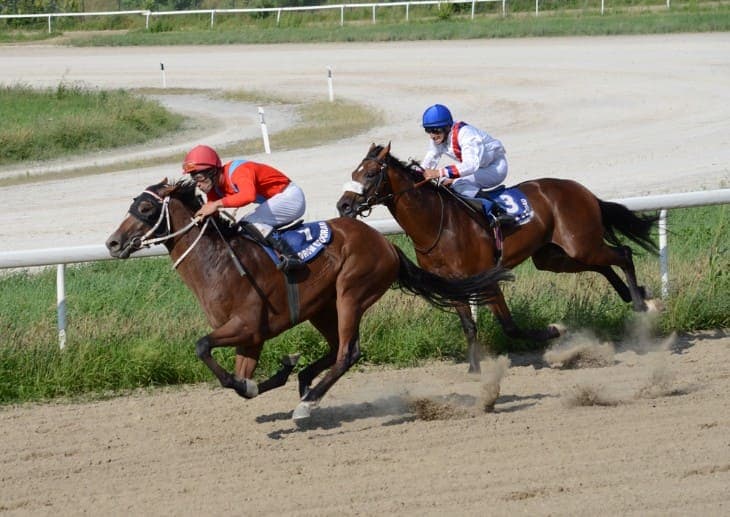
An exacta is a bet where you predict which two horses will finish first and second in the correct order. Get the order right and you win. Get it wrong — even if your two horses fill the first two places in the reverse order — and you lose.
The exacta is a pool bet, which means your return is not determined by fixed odds at the time of placing the bet. Instead, all exacta stakes for a race go into a single pool, the operator takes a deduction (usually around 13.5% for the Tote in the UK), and the remaining pool is divided among winning ticket holders. The fewer people who pick the correct combination, the bigger the payout — and that is precisely why exactas can produce eye-watering returns.
For context, a Tote Exacta on a competitive 12-runner handicap can easily pay £50 to £200 for a £2 stake. Occasionally, when an outsider fills one of the top two positions, dividends run into four figures. It is the simplest exotic bet you can make in horse racing, and it is an ideal stepping stone between basic win/place bets and more complex wagers like the trifecta.

Exacta vs Forecast: What Changed?
If you have been betting in the UK for a while, you probably grew up calling this bet a forecast. So what happened?
The Tote — the UK's only licensed pool betting operator for horse racing — rebranded many of its bet types in 2018 to align with international naming conventions. The "Computer Straight Forecast" (CSF) and "Tote Forecast" became the Tote Exacta. The change was not just cosmetic: it signalled the Tote's ambition to compete globally and to make UK pool betting more recognisable to an international audience already familiar with the exacta terminology from racing in America, Hong Kong, and Australia.
The mechanics of the bet did not change. You still pick two horses in finishing order, the pool still operates the same way, and the deductions remain broadly similar. But the branding shift matters for one practical reason: if you search for "forecast" on the Tote website today, you will be directed to the Exacta page. The old language is fading from the interface, and new punters may not even encounter the word "forecast" unless they are reading older form guides or speaking to seasoned racegoers.
It is also worth noting that the term CSF (Computer Straight Forecast) still exists in fixed-odds bookmaker markets. The CSF is a different product — it uses a formula to calculate a theoretical fair price rather than pooling stakes. We will compare the two directly in the section below.
Types of Exacta Bet
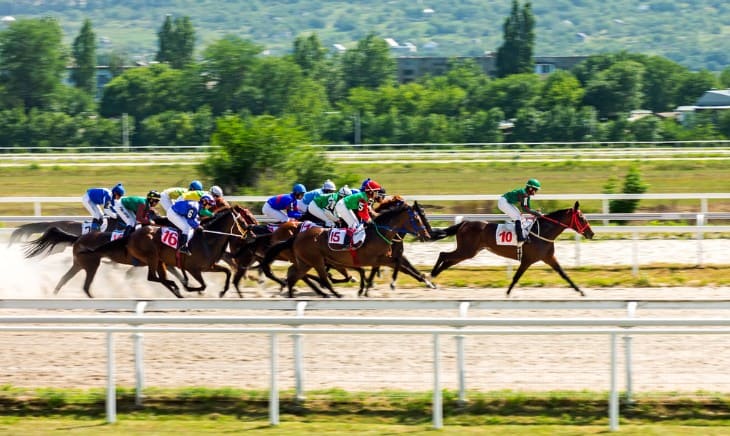
There are three main ways to structure an exacta. Each offers a different trade-off between precision, coverage, and cost.
Straight Exacta
The simplest version. You select one horse for first and one horse for second, in that exact order. One combination, one stake.
Example: £2 straight exacta — Horse A to finish 1st, Horse B to finish 2nd. If Horse A wins and Horse B is second, you collect. If they reverse, you lose.
This is the bet for confident punters. If you have a strong view on both the winner and the runner-up, the straight exacta gives you the maximum payout per pound staked. It is also the cheapest way to play the exacta — your outlay is simply one unit stake.
Boxed Exacta
A boxed exacta covers every possible finishing order for your selected horses. You are saying: "I think these horses will fill the top two places, but I am not sure which way round."
Example: £2 boxed exacta on Horse A and Horse B. This generates two combinations (A-B and B-A), so your total outlay is £4. Either finishing order wins.
Boxing becomes more expensive as you add horses, because the number of combinations increases rapidly. The formula is straightforward: n x (n - 1) x unit stake, where n is the number of horses selected. We will show the full cost table in the next section.
The boxed exacta is ideal when you are confident in your selection of horses but less certain about the order. It is particularly useful in competitive handicaps where the top two in the betting are closely matched on form.
Banker Exacta
Also called a "part-wheel" exacta, this approach fixes one horse in a specific finishing position and pairs it with multiple horses in the other position. It sits between the precision of a straight exacta and the coverage of a full box.
Example: Horse A to win, boxed with Horses B, C, and D for second place. This produces three combinations (A-B, A-C, A-D), costing £6 at a £2 unit stake.
Alternatively, you can reverse the structure: Horses B, C, and D to win, with Horse A in second. This also produces three combinations but covers a different scenario — one where you are sure a specific horse will place but may not win.
The banker exacta is the smart punter's tool. It allows you to take a strong opinion (this horse will win) while acknowledging uncertainty about the rest of the field. It is particularly effective in races where there is a clear favourite but the market is wide open for second place.
Exacta Box Cost Table
Before you load up a six-horse box and wonder why your wallet is lighter, check the numbers. The cost of a boxed exacta is calculated as: n x (n - 1) x unit stake.
| Horses Selected | Combinations | Cost at £1 Unit | Cost at £2 Unit |
|---|---|---|---|
| 2 | 2 | £2 | £4 |
| 3 | 6 | £6 | £12 |
| 4 | 12 | £12 | £24 |
| 5 | 20 | £20 | £40 |
| 6 | 30 | £30 | £60 |
| 7 | 42 | £42 | £84 |
| 8 | 56 | £56 | £112 |
The numbers escalate quickly. A five-horse box at a £2 unit stake costs £40. That is a hefty outlay for a single race, and the exacta dividend needs to be substantial to justify it. As a general rule, if you are boxing more than four horses, consider whether a banker structure would give you better value by eliminating unlikely combinations.
The minimum Tote Exacta stake in the UK is £2 for a straight exacta (a single combination). For permutation bets (boxes and bankers), you can use unit stakes as low as 10p, provided the total stake on the bet meets the minimum. This means you can box five horses at 10p per combination for just £2 total — a sensible way to stay involved in the pool without risking large amounts.

Exacta vs CSF: Which Pays Better?
This is one of the great debates in UK betting, and the honest answer is: it depends on the race.
How the CSF Works
The CSF (Computer Straight Forecast) is offered by fixed-odds bookmakers. It uses a mathematical formula based on the starting prices (SPs) of the first two finishers to calculate the payout. The CSF is not a pool bet — there is no money pooled from punters. Instead, the bookmaker pays out according to the formula, which typically produces returns somewhere between a win bet and a true reflection of the difficulty of the prediction.
How the Tote Exacta Works
The Tote Exacta is a genuine pool bet. Every pound staked goes into the pool, the Tote takes its percentage, and the rest is divided among winners. This means the payout is entirely determined by how much money is in the pool and how many winning tickets were sold.
When the Exacta Beats the CSF
The Tote Exacta tends to pay more than the CSF when:
- The result involves a big-priced horse. Pool punters tend to favour favourites, so when an outsider fills a top-two spot, fewer winning tickets exist and the pool payout is generous.
- Large fields produce competitive betting. Big-field handicaps generate large pools with money spread thinly across many combinations. A correct pick in this scenario can yield multiples of the CSF return.
- The race attracts significant pool money. Major meetings (Royal Ascot, Cheltenham, the Grand National) see huge Tote pools, which means less volatility and often bigger payouts than the formula-driven CSF.
When the CSF Beats the Exacta
The CSF can be the better option when:
- Short-priced favourites dominate. If the 1-2 favourite wins and the 3-1 second favourite places, the pool is flooded with winning tickets and the Tote dividend can be disappointing. The CSF formula, while also modest in these situations, sometimes produces a marginally better return.
- Small fields. With fewer runners, there are fewer possible exacta combinations, which means more punters end up on the right one. Pool payouts suffer accordingly.
The practical approach? Check both. If you are betting on-course or through the Tote online, look at the Tote pool data before committing. Many punters place an exacta through the Tote and back the CSF with a fixed-odds bookmaker to guarantee the better payout, whichever way it falls.
How to Read the Tote Exacta Pool
Before every race, the Tote publishes indicative exacta dividends. Learning to read this data can give you a real edge.
Where to Find It
The Tote's website and app display live pool data in the minutes before a race. On-course, the Tote information boards show the same figures. You are looking for the total pool size and the indicative dividends for popular combinations.
What to Look For
- Pool size: A larger pool (£10,000+) means more stable, reliable dividends. Small pools (under £2,000) can produce erratic payouts and are more susceptible to one big bet skewing the numbers.
- Popular combinations: If the 1-2 combination in the betting is showing an indicative exacta of £8 for a £2 stake, the pool is heavily weighted towards that result. If you back it and it comes in, you will not be celebrating — the return barely covers the risk.
- Value spots: Look for combinations where the indicative dividend seems disproportionately large relative to the chances. If a 5-1 shot paired with the favourite is showing £60+ for a £2 stake while the form suggests it has a genuine chance, that is where the value lives.
Timing Your Bet
Unlike fixed-odds bets, your Tote Exacta payout is determined by the final pool composition, not the odds at the time you place your bet. This means you can bet early (to secure your pick before the pool data changes your mind) or late (to check the indicative dividends and ensure you are getting value). Many experienced pool punters prefer to bet in the final two minutes before the off, when the pool data is most stable and reflective of the final payout.
When to Play an Exacta
Not every race suits an exacta bet. Knowing when to play — and when to skip — is the difference between a profitable exotic bettor and one who bleeds money slowly on permutations.
Play an Exacta When:
- You have a strong view on the first two finishers. If you genuinely believe Horse A will beat Horse B, and there is no third contender you rate, a straight exacta captures that opinion perfectly.
- The race has 8+ runners. Larger fields increase the number of possible combinations, which means the pool pays better when you find the right one. Below eight runners, the exacta pool can be thin and the dividends underwhelming.
- The favourite is opposable. Races where you think the favourite will be beaten are exacta gold. Most pool money gravitates towards the favourite, so backing a combination that excludes it means fewer winning tickets and a bigger share of the pool.
- You are betting at a major meeting. Royal Ascot, the Cheltenham Festival, and the Grand National meeting generate enormous Tote pools. The exacta dividends at these meetings can be significantly better than the CSF.
Skip the Exacta When:
- Small fields (5 or fewer runners). With only 20 possible exacta combinations in a five-runner race, too many punters will land on the same result. The pool dividend will rarely justify the stake.
- Heavy favourite is nailed on. If a 1-5 shot is virtually certain to win, everyone's exacta includes that horse in first place. The pool is concentrated on a small number of combinations, and dividends are tiny.
- You are stretching your bankroll. Boxing six horses in an exacta at £2 per combination costs £60. If that represents a significant chunk of your betting bank for the day, the risk-reward is wrong. Scale down the unit stake or consider a banker structure instead.
FAQ
What's the difference between an exacta and a forecast?
They are the same bet. The Tote rebranded its "Forecast" product as the "Exacta" in 2018 to match international terminology. Both require you to predict the first two finishers in the correct order. The term "CSF" (Computer Straight Forecast) remains in use with fixed-odds bookmakers and is a formula-based payout rather than a pool bet.
How much does an exacta box cost?
The cost is calculated as n x (n - 1) x unit stake, where n is the number of horses selected. A three-horse box at £2 per combination costs £12 (six combinations). A five-horse box at £1 per combination costs £20 (twenty combinations).
What's the minimum Tote Exacta stake?
The minimum stake for a single straight exacta is £2. For permutation bets (boxes and bankers), you can use unit stakes as low as 10p, provided the total bet meets the minimum stake threshold.
Is an exacta better than a CSF?
Neither is universally better. The Tote Exacta tends to outpay the CSF when a big-priced horse fills one of the top two spots or when the race attracts a large pool at a major meeting. The CSF can be marginally better when short-priced favourites dominate or the pool is small. Many sharp punters compare both and take whichever offers the better return.
Can you bet an exacta each way?
No. The exacta is a pool bet on the first two finishers in exact order — there is no each-way equivalent. If you want coverage in both directions, place a boxed exacta instead, which covers both possible finishing orders for your selected horses.
Summary
The exacta is the gateway exotic bet. It sits one step above basic win and place wagers in complexity, but it opens the door to significantly better returns — particularly in large-field races where the favourite is vulnerable.
Remember the essentials: a straight exacta is one combination, cheap and precise. A box covers all orders but escalates in cost. A banker fixes your strongest opinion and builds around it. The Tote Exacta is a pool bet that frequently outpays the formula-driven CSF, especially at major meetings and when outsiders fill the frame.
Get comfortable with the cost table, learn to read the Tote pool data before a race, and always ask yourself: "Does this race suit an exacta?" If the field is big enough and your view is strong enough, the exacta is one of the most rewarding bets in the game.
Related reading: